
What if you could enjoy European living without breaking the bank? Many Americans dream of moving abroad but worry about expenses. Portugal offers a surprising solution.
This beautiful country provides the most affordable lifestyle in Western Europe. A couple can live comfortably on $2,500 to $3,000 monthly outside major urban centers. That’s significantly less than most US cities.
North American expats typically spend one-third to one-half less here than back home. Daily expenses like groceries, transportation, and entertainment run about 28.4% lower than in the United States.
Portugal combines lower living expenses with excellent quality life standards. This appealing balance explains why so many people choose this welcoming country for relocation.
This guide examines all financial aspects for potential residents. You’ll find detailed breakdowns of housing, food, healthcare, and other essential categories.
Key Takeaways
- Portugal offers the lowest expenses among Western European nations
- Couples can maintain a comfortable lifestyle on $2,500-$3,000 monthly outside cities
- North Americans typically save one-third to one-half compared to US costs
- Daily expenses run approximately 28.4% lower than in the United States
- The country balances affordability with high quality life standards
- This guide provides current pricing data across all major spending categories
- Regional variations help match different budgets and lifestyle preferences
Introduction: Portugal as an Affordable Destination
Portugal has quietly become a top destination for those seeking an exceptional quality life abroad. This welcoming country ranks 7th globally for safety according to the Global Peace Index Report.
Overview of Portugal’s Lifestyle
The Mediterranean climate offers more than 300 sunny days each year. Winters average a mild 10°C while summers reach a comfortable 21°C. This beautiful setting enhances daily life for residents and visitors alike.
American expats find the relaxed pace refreshing compared to fast-paced cities back home. Coastal beauty, rich heritage, and friendly locals create an inviting atmosphere. The country provides diverse options from bustling cities to quiet villages.
Why This Guide Is Essential
Understanding the true cost living situation helps people make informed relocation decisions. This resource offers concrete financial data beyond general impressions.
It examines regional variations and monthly expenses across different lifestyle preferences. Proper planning ensures a smooth transition to this remarkable part of the world.
Why Expats Choose Portugal for a Better Quality of Life
International residents discover that Portugal offers intangible benefits that significantly enhance daily existence. The country provides a unique blend of modern comforts and traditional charm.
Attractive Climate and Culture
Portugal’s Mediterranean climate delivers over 300 sunny days annually. This encourages an outdoor-oriented lifestyle that promotes well-being throughout the year.
The cultural heritage spans millennia with UNESCO sites and historic architecture. Approximately 60% of Portuguese speak English, easing communication for newcomers.
Enhanced Work-Life Balance and Community
Work-life balance here emphasizes leisure and family time over work-centric cultures. This approach creates a more relaxed pace of life.
Safety is a major draw with crime rates well below global averages. The established expat community provides social networks and support systems.
Political stability and democratic freedoms create a secure environment. Expats can build long-term lives with confidence in this welcoming country.
Current Economic Landscape and General Living Expenses
Portugal’s monetary system and price trends create a predictable landscape for newcomers. The nation’s financial stability offers reassurance for those planning their relocation budget.
Overview of Currency, Inflation and Local Prices
Portugal uses the Euro as its official currency. This provides stability for financial planning across the country. Current inflation sits at approximately 2.6% as of mid-2025.
This moderate rate allows for reliable budgeting from month to month. Prices increase at manageable levels compared to volatile patterns elsewhere.
Consumer expenses excluding rent run about 28.4% lower than United States equivalents. Everyday purchases like groceries and dining offer significant savings.
The economic environment benefits from EU membership and diverse industries. This supports consistent pricing across most consumer categories throughout the nation.
Location choice substantially impacts overall monthly expenditures. Major urban centers differ noticeably from smaller towns in their cost structure.
Housing and Rental Markets in Portugal
Finding a place to call home is the first major financial decision for anyone moving to Portugal. Your choice between renting and buying significantly impacts your monthly budget.
Location plays the most important role in determining housing expenses. Urban centers command premium prices while rural areas offer remarkable value.
Rental Costs in Major Cities vs. Smaller Towns
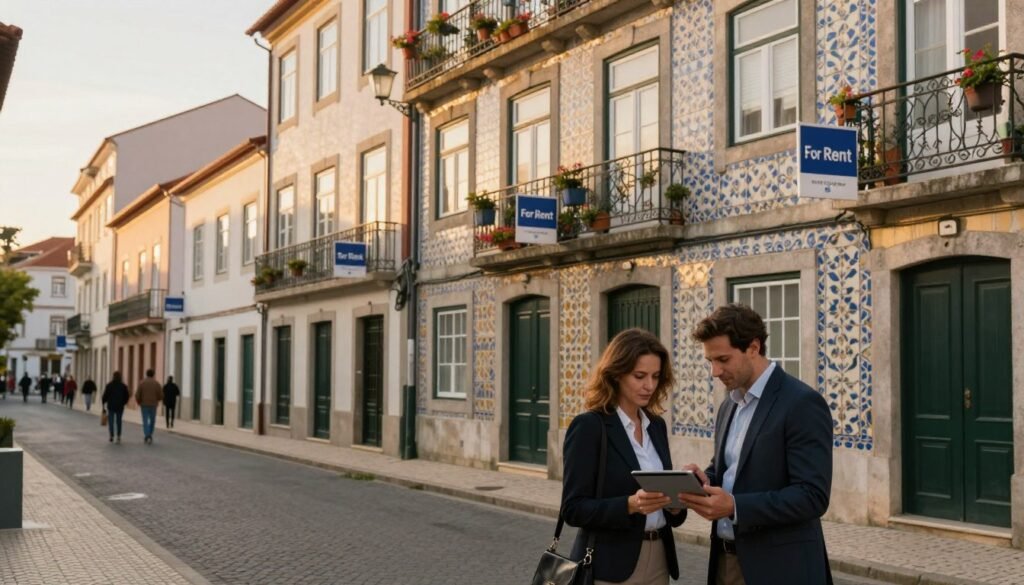
City center apartments in Lisbon typically rent for €930 monthly for one bedroom. The same apartment outside urban cores drops to approximately €711.
Porto offers slightly lower rental prices around €850 for central one-bedroom units. Smaller towns provide exceptional value with two-bedroom homes starting at $450.
This dramatic variation means careful location selection can cut your housing budget by half or more.
Buying Property: Prices by Region
Property purchase prices average €3,171 per square meter in city centers. Outside urban areas, this drops to €2,041 according to recent data.
Lisbon represents the most expensive market with two-bedroom apartment prices starting around $500,000. Porto offers similar properties for approximately half that amount.
The Silver Coast and Alentejo regions present affordable property opportunities under $200,000. These areas require more research but deliver substantial savings.
Daily Living Costs: Food, Dining, and Groceries
From market stalls to restaurant tables, this country offers exceptional value for food lovers. The affordable food scene represents one of the biggest financial advantages for American expats.
Local Markets and Affordable Dining Out
Eating at local restaurants feels like a daily treat rather than a luxury expense. Complete meals start around €10, offering fresh fish, sides, and often include wine. Mid-range establishments serve three-course dinners for two at approximately €40.
The culture of dining out is deeply ingrained here. People enjoy leisurely meals without rushing. Quality food with generous portions makes every restaurant visit worthwhile.
Budgeting for Groceries and Essentials
Monthly groceries for one person typically range from €200-€300. This compares favorably to $400-$500 in the United States. Shopping at chains like Continente or Pingo Doce keeps prices budget-friendly.
Basic food items show remarkable value. Fresh bread costs €1.40, chicken fillets are €6.80 per kilogram, and local wine starts at €4 per bottle. Seasonal produce keeps groceries costs manageable throughout the year.
Transportation and Utility Expenses
Navigating daily mobility and essential services in this European nation reveals significant savings for international residents. Both transportation networks and household utilities operate at prices well below North American averages.
Public Transportation and Car Ownership
Portugal’s extensive public transport system provides affordable mobility options. Monthly passes typically range from €40-€50, making urban commuting budget-friendly.
Single tickets cost just €1.77 for metro or bus rides. This reliable network covers cities comprehensively with metro, buses, and trams.
Car ownership involves higher initial expenses due to vehicle taxes. New automobiles average around $34,000, though used cars offer better value under $20,000.
Fuel prices average €1.75 per liter, encouraging fuel-efficient vehicle choices. Many expats find public transport sufficient for daily needs.
Monthly Utility Bills and Internet Costs
Household utilities represent a modest portion of monthly budgets. Basic services including electricity, water, and garbage collection typically total €100-€140.
These expenses vary based on apartment size and usage patterns. Efficient energy consumption helps manage electricity costs effectively.
High-speed internet services are widely available and affordable. Fiber-optic connections typically cost €30-€40 per month for reliable service.
Mobile plans with generous data packages start around €19 monthly. Combined communication and utility expenses remain significantly lower than comparable US bills.
Healthcare Services and Insurance in Portugal
Medical care represents one of the most significant advantages for Americans considering relocation to this European destination. The country’s healthcare system ranks 12th globally according to the World Health Organization.
Public Healthcare Accessibility
All legal residents gain access to the public healthcare network funded through taxes. This system requires only small co-payments of €5-€15 for non-essential services.
Many treatments for seniors and children come completely free. Fourteen medical facilities hold the Joint Commission International’s prestigious gold seal approval.
Private Health Insurance Options and Costs
Private health insurance offers an affordable alternative with basic plans starting around €15-€20 monthly. Comprehensive coverage ranges from €30-€100 depending on age and health conditions.
Doctor visits average $55 compared to $110 in the United States. Many medical professionals speak English, particularly in urban areas.
Prescription medications like insulin cost a fraction of American prices. The dual system provides flexibility that eliminates financial burdens for expats.
Education and Family Living Expenses
The Portuguese education system offers diverse choices that can dramatically impact a family monthly budget. Understanding these educational options helps parents make informed decisions about relocation expenses.
Public vs. International Schooling
Public schools provide completely free education for residents, including foreign nationals. Parents only cover meal costs of approximately €50 per month. Instruction occurs in Portuguese, offering excellent integration opportunities.

International schools deliver English-language education with globally recognized curricula. Monthly tuition ranges from €800-€1,800 depending on grade level. These options remain substantially more affordable than comparable American private schools.
Additional Costs for Families
Beyond education, family expenses include activities and extracurricular programs. Gym memberships average €35 each month, while community programs offer affordable enrichment.
Higher education becomes free for residents after two years of residency. International students pay only €2,500-€8,000 annually. These educational costs represent significant savings compared to American institutions.
Exploring the Property Market and Investment Opportunities
Beyond the coastal cities, Portugal’s property market offers remarkable value for those willing to explore interior locations. Savvy investors discover exceptional opportunities in regions often overlooked by mainstream buyers.
The interior presents diverse investment options ranging from complete homes to renovation projects. Areas like Castelo Branco and the Silver Coast feature houses under $200,000, often including land.
Investment Options and Renovation Challenges
Regional property prices show dramatic variations. Central Portugal averages €1,448 per square meter while Alentejo sits at €1,507. These compare favorably to Lisbon’s €3,644.
Renovation projects require careful consideration. Properties at low cost often have title issues or inheritance complications. The renovation timeline frequently exceeds expectations, even for local contractors.
Many older homes lack modern insulation or heating systems. Buyers should budget for these additions to ensure comfort. The final cost can significantly impact your investment returns.
Always consult a Portuguese attorney before purchasing any property. They verify ownership and check for legal complications. This due diligence protects your investment and avoids potential pitfalls.
Affordable Cities and Regional Living in Portugal
Exploring Portugal’s regional cities reveals surprising affordability without sacrificing modern comforts. These urban centers offer monthly budgets running 20-40% below major metropolitan areas while maintaining excellent quality indicators.
Northern Portugal boasts several attractive options for expats. Braga provides vibrant cultural life with one-bedroom apartments renting for €470 in the city center. Coimbra combines student energy with historic charm, featuring similar rental prices around €500.
Highlights of Cities like Braga, Coimbra, and Évora
Central Portugal offers exceptional value in cities like Viseu and Leiria. These locations feature one-bedroom rentals between €450-€600 with complete monthly budgets for singles under €1,200. The lower cost living here doesn’t compromise lifestyle quality.
Southern options include Évora, a UNESCO World Heritage city with medieval architecture. Rental prices average €600 for one-bedroom units while maintaining all modern amenities. Smaller cities like Castelo Branco offer even greater affordability.
Each city presents distinct advantages for different preferences. Coastal Aveiro provides canal-side living, while inland locations offer deeper cultural immersion. These regional cities prove that smart location choices significantly impact monthly expenses.
Navigating Visa Options and Relocation Services
Understanding Portugal’s immigration pathways can transform a relocation dream into a practical reality. The country provides several legal routes for international individuals seeking to establish residency.
Understanding Various Visa Routes
Portugal offers diverse options tailored to different circumstances. The D7 visa suits retirees with passive income, while the D8 serves digital nomads earning €3,480 monthly.
Entrepreneurs can explore the D2 or Startup visas for business ventures. The Golden Visa program attracts investors through various financial pathways.
Each program has specific requirements for residents regarding income, investment, or time spent in the country. Most visas require 183 days annually, except the Golden Visa needing only 7 days.
How Legal Support Can Ease Your Move
Professional relocation services provide essential guidance through Portugal’s immigration system. Companies like Touchdown offer expert legal support and document preparation.
These services help expats navigate complex requirements and processing timelines. Proper assistance ensures smoother applications for those wanting to live portugal long-term.
Family reunification allows including spouses and children in primary applications. Portugal’s dual citizenship policy provides flexibility for expats committed to making this their home.
Understanding the Cost of Living in Portugal
Comparing monthly budgets across countries reveals Portugal’s significant financial advantages. A single person needs approximately €1,773 per month for comfortable living, including €931 for rent. This represents 41% savings compared to the €2,973 required in the United States.
Family budgets show even greater differences. A family of four spends around €6,193 per month versus €10,386 in the US. Multiple household members amplify the cost advantages significantly.
Housing represents the largest expense category. Even in Lisbon, rental prices are roughly half those of major American cities. Smaller Portuguese towns offer even greater savings on monthly expenses.
Beyond rent, groceries, utilities, and entertainment consistently cost 25-40% less. Regional variation creates additional opportunities for cost reduction while maintaining excellent quality.
Understanding these structures helps expats plan their financial transition accurately. They can set realistic budgets based on location and lifestyle preferences.
Sample Budgets for Singles and Couples in Portugal
Practical budgeting examples provide the clearest picture of monthly financial requirements for expats considering a move. These realistic frameworks help visualize how far your money can stretch in this European destination.
Example Budget for a Single Expat
A single person can maintain a comfortable lifestyle on approximately $2,000 each month. This comprehensive budget covers all essential categories while allowing for entertainment and savings.
The largest expense is typically rent for a one-bedroom furnished apartment at $700. Groceries and food average $250 monthly, while utilities and communications total $110. Transportation needs account for $300 whether using public options or maintaining a personal vehicle.
Example Budget for a Couple or Family
For a couple, monthly expenses rise to around $3,000 while maintaining excellent quality. A two-bedroom apartment typically costs $1,100, with shared groceries at $500.
Health insurance for two runs approximately $150 per month. These sample budgets assume living near but outside major city centers where costs balance affordability with accessibility to urban amenities.
Conclusion
With comprehensive financial data now examined, the broader picture reveals Portugal’s compelling value proposition for international residents. The country has firmly established itself as a premier destination for those seeking an exceptional quality life at substantially lower expenses than most Western nations.
Expats choosing to live Portugal gain access to world-class healthcare ranked 12th globally. The dual system provides comprehensive health services far below American standards. Combined with the country’s 7th-place safety ranking, this creates an ideal foundation for building new lives.
Daily existence emphasizes quality over expense, featuring fresh local food, excellent wine, affordable dining, and reliable public transport. Regional diversity allows residents to choose between cosmopolitan cities or charming towns, each offering distinct character.
For Americans and other expats, relocation represents a fundamental lifestyle upgrade. This welcoming country offers the perfect balance of Mediterranean charm, modern amenities, and financial practicality that makes it truly feel like home.
FAQ
Is Portugal a cheap country to live in?
Compared to many Western European countries and North America, Portugal offers a more affordable lifestyle. Your monthly budget will vary significantly depending on whether you choose a major city like Lisbon or a quieter town in the interior. Overall, expenses for housing, groceries, and dining out are often lower.
What is the average monthly rent for an apartment?
Rental prices differ greatly by location. In Lisbon or Porto, a one-bedroom apartment in the city center can cost significantly more than a similar property in cities like Braga or Coimbra. For a more budget-friendly option, looking at smaller towns or suburbs can reduce your housing expenses considerably.
How does the healthcare system work for expats?
Portugal has a high-quality public healthcare system accessible to legal residents. Many expats also opt for private health insurance from providers like Médis or AdvanceCare for faster access to specialists. The cost for private insurance is generally reasonable, offering peace of mind for a family.
What are the utility costs like per month?
Your monthly bills for electricity, water, gas, and internet will depend on your home’s size and usage. For a couple in a standard apartment, these services can be quite manageable. Companies like EDP for electricity and NOS or MEO for internet offer various packages to fit different budgets.
Is public transportation reliable and affordable?
Yes, major cities have efficient and inexpensive public transport networks, including metros, buses, and trains. The Viva Viagem card in Porto or the 7 Colinas card in Lisbon make getting around easy. For those living rurally, a car might be necessary, adding to your transportation expenses.
How much should I budget for groceries and dining?
Shopping at local markets like Mercado da Ribeira in Lisbon can keep your grocery bills low. Dining out is also very affordable, especially at local tascas (small restaurants). A meal with wine at a mid-range restaurant often costs less than in other European countries, contributing to a great quality of life.
What are the best cities for an affordable quality of life?
Beyond Lisbon and Porto, cities like Braga, Coimbra, and Évora offer a lower cost of living while maintaining excellent access to services, culture, and community. These regions provide a fantastic balance for expats seeking a slower pace without sacrificing amenities.
Do I need a visa to live in Portugal?
Non-EU citizens will need a visa, such as the D7 Passive Income Visa or the Golden Visa program. Navigating these options can be complex, and many people use relocation services or legal support from firms like Global Citizen Solutions to ensure a smooth process.