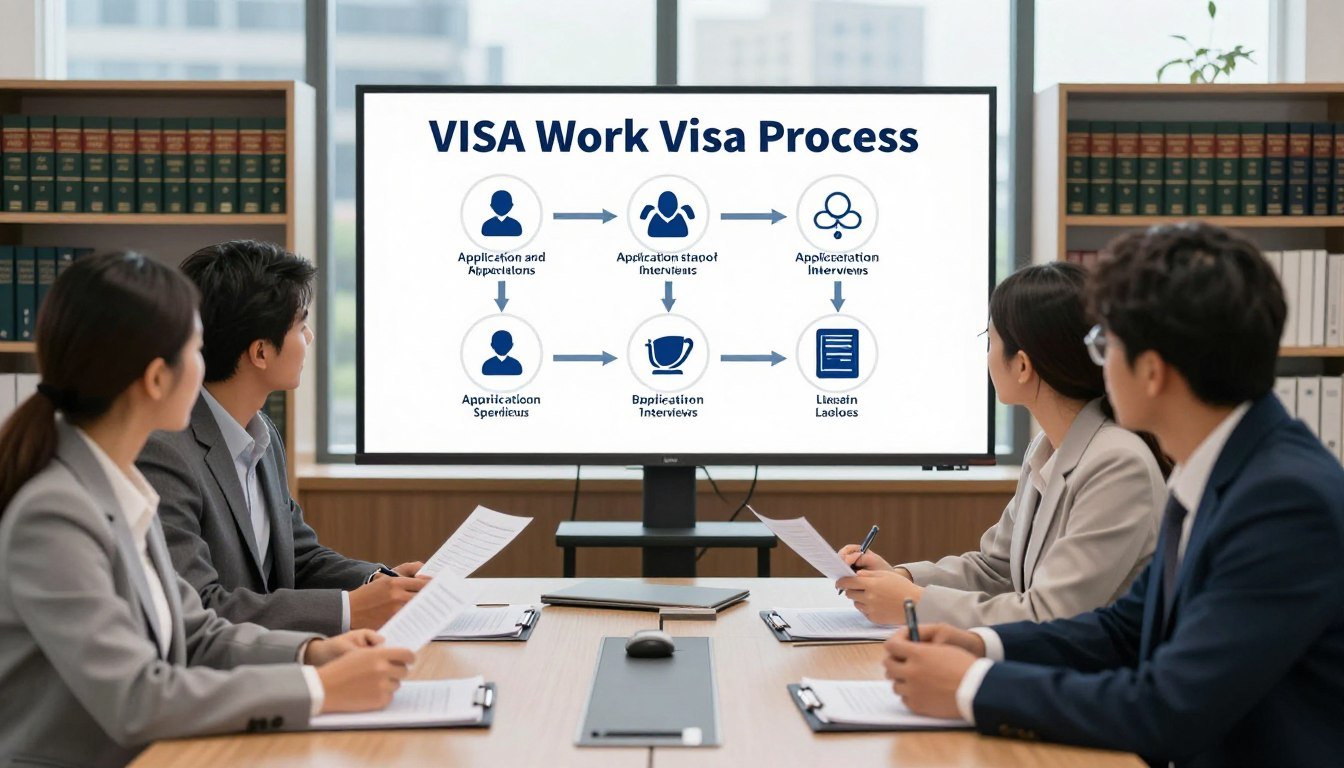
What if the key to unlocking a professional opportunity in the United States is not a permanent move, but a temporary one? Many skilled professionals dream of working in America, yet the path to permanent residency can seem long and complex.
This guide cuts through the complexity. It provides essential information on nonimmigrant pathways designed for qualified individuals. These options allow you to work legally in the U.S. for a specified period.
Understanding the different categories is crucial. Each serves various industries and skill levels. This knowledge helps both employers and applicants navigate the system effectively.
We will explain the fundamental requirements and the step-by-step process. Our goal is to help you avoid common mistakes that cause delays. Let’s begin exploring your options for employment in the United States.
Key Takeaways
- Temporary work authorization is a specific type of nonimmigrant visa.
- Different visa categories exist for various professions and industries.
- These pathways are distinct from seeking permanent residence (a green card).
- Both foreign professionals and U.S. employers must understand the process.
- Proper preparation can prevent common application errors and delays.
- Official government sources provide the most accurate and up-to-date information.
Overview of Temporary Work Visas in the United States
Foreign professionals contribute significantly to key sectors of the U.S. economy through specific employment pathways. These programs address critical workforce needs while maintaining strict regulatory oversight.
Importance of Temporary Work Visas in the U.S. Economy
Recent data reveals the substantial role these programs play. In FY 2024, over 1 million employment authorizations were granted to foreign nationals.
This represents a significant increase from previous years. The growth demonstrates strong employer demand across multiple sectors.
Agricultural workers accounted for the largest category. Specialty occupation professionals followed closely behind.
Types of Work Visas Available
Various categories exist to meet different employment needs. Each serves specific industries and skill levels.
Seasonal agricultural programs support farming operations. Specialty occupation categories bring highly skilled talent to technology and healthcare fields.
Other categories address peak business periods and seasonal demands. Understanding these options helps employers and applicants navigate the system effectively.
Visas for Temporary Workers: Eligibility and Requirements
Before beginning any application, understanding the fundamental qualifications for legal work in America is essential. Each authorization category has distinct rules. Knowing these rules helps you choose the right path.
Basic Eligibility Criteria for Applicants
The core eligibility requirements form the foundation of any application. A valid job offer from a U.S. employer is almost always mandatory.
Applicants must also meet specific educational or experience levels for the job. They must also prove they plan to return to their home country after their authorized stay ends.
Some categories require the employer to first test the U.S. labor market. This proves a lack of available and qualified domestic workers with the necessary ability.
Specialized Occupational and Licensing Requirements
For specialized roles, the bar is higher. The H-1B category, for example, demands a bachelor’s degree in fields like engineering or medicine.
If a position requires a license, the applicant must have it before starting employment. This is critical in healthcare. For seasonal agricultural work under the H-2A visa, the role itself must be temporary, like harvesting.
Understanding these specific requirements for each category is key to a successful application in the United States.
Step-by-Step Guide to the Temporary Work Visa Application Process
The journey to securing legal permission to work in America involves several critical steps managed by different government bodies. Understanding this sequence is vital for a smooth application process.
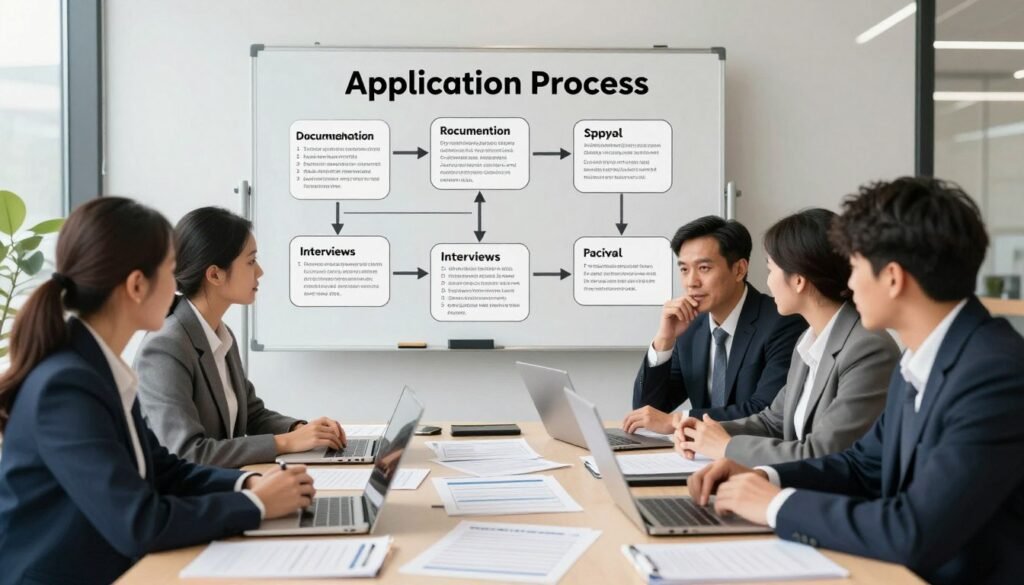
This multi-stage procedure requires coordination between the foreign national and the U.S. employer. Each phase has specific requirements and deadlines.
Preparing Required Documents and Evidence
The initial phase often begins with the employer. They must first obtain a labor certification from the Department of Labor.
This step proves a lack of qualified U.S. workers for the role. After certification, the employer files a formal petition with U.S. Citizenship and Immigration Services.
Applicants should gather their evidence during this time. Essential documents include diplomas, professional licenses, and detailed employment records.
Navigating Interviews and Consular Procedures
After USCIS approves the petition, the applicant applies at a U.S. embassy or consulate. This is when the actual visa is issued.
A consular officer will conduct an interview. They verify the applicant’s qualifications and intent to return home after their authorized status ends.
Providing clear and honest answers is crucial. Proper preparation for this final step helps ensure approval and avoids unnecessary delays.
Processing Times and Key Milestones in Visa Approval
Understanding the timeline for visa approval is crucial for effective planning. The duration varies significantly across different categories and depends on current demand.
Typical Timelines for Application Reviews
Some employment authorization programs use lottery systems when applications exceed annual limits. The H-1B category implements this approach each year due to high demand.
Processing can range from several weeks to months. Recent efforts have streamlined certain programs to reduce wait times dramatically.
Addressing Potential Delays and Setbacks
Various factors can extend processing times. Incomplete documentation and administrative backlogs are common challenges.
Global events have created significant disruptions. Embassy closures in 2020 led to substantial application accumulations.
Key approval stages include labor certification and petition review. Understanding these milestones helps manage expectations throughout the process.
Some programs previously offered expedited options. These have been suspended at times based on policy decisions.
Employer and Sponsorship Considerations in Temporary Visa Applications
The role of American businesses in securing work authorization for foreign professionals involves multiple compliance layers. Companies must navigate specific requirements that ensure fair hiring practices.
This process protects both domestic and international talent. Understanding these obligations helps employers make informed decisions.
Employer Certification and Petition Process
U.S. employers begin by obtaining Department of Labor certification. This step demonstrates that no qualified American candidates are available for the position.
The oversight of this labor certification varies by program. Some administrations have implemented streamlined attestation-based approaches.
After certification, businesses file a formal petition with immigration authorities. This document outlines the specific employment terms and candidate qualifications.
Responsibilities of Sponsorship and Compliance
Sponsorship extends beyond the initial petition filing. Companies must maintain compliance throughout the employment period.
All employers attest to following wage and working condition rules. H1B-dependent businesses face additional requirements under certain circumstances.
These companies must prove they sought qualified U.S. workers first. They also pay increased fees and face penalties for violations.
Proper documentation and ongoing monitoring ensure successful program participation. This protects both the business and the foreign professional.
Temporary vs. Permanent Work Visas: A Comparative Overview
Choosing the right work authorization path in the United States requires understanding a fundamental choice. Professionals must decide between a temporary stay and seeking permanent residency.

This decision impacts long-term career and life plans. Recent data shows most foreign nationals enter on a non-permanent basis.
Key Differences Between Temporary Visas and Green Cards
The core distinction lies in duration and intent. A temporary visa grants permission to work for a limited period.
Holders of this status must depart the country when their authorization ends. In contrast, a green card offers permanent residence.
Green card holders can live and work in the United States indefinitely. They also gain the eventual right to apply for U.S. citizenship.
This permanent employment authorization provides significant stability. It eliminates the need for periodic visa renewals.
Pathways from Temporary Work to Permanent Employment
Many individuals start their journey on a temporary visa. A common path involves an employer sponsoring them for a green card.
This process is known as an adjustment of status. It can be complex and often takes many years to complete.
Some visa categories, like the H-1B, allow for extensions during this wait. This creates a hybrid status for applicants.
Understanding these pathways helps immigrant professionals plan their futures in the United States effectively.
Latest Trends and Updates in U.S. Work Visa Policies
U.S. immigration policy is constantly evolving, shaped by economic needs and political priorities. Recent years have shown how quickly the landscape can change for employment-based programs.
The data reveals a clear upward trajectory in authorization numbers. From 2013 to 2024, there was a 72% increase in issuances.
This growth reflects strong labor demand across many sectors. However, this trend has not been without significant interruptions.
Impact of Recent Policy Changes and Economic Factors
Major economic events caused notable dips in the program. The Great Recession and COVID-19 pandemic both led to sharp declines.
In 2020, authorizations plummeted to just over 600,000. This was partly due to a presidential proclamation suspending new applications.
The current administration has taken a different approach. It has focused on expanding capacity and streamlining processes.
Key actions include increasing the H-2B cap by thousands. The government also added new countries to participation lists.
These policy shifts demonstrate how economic factors drive immigration decisions. Understanding these trends helps applicants and employers plan effectively for the coming years.
Expert Tips and Best Practices for Securing Your Work Visa
Maximizing your chances of approval involves understanding both the formal requirements and practical realities of the process. Strategic preparation separates successful applicants from those who face delays or denials.
Proven Strategies for a Successful Application
Begin the application process well in advance to avoid time constraints. Working with an experienced immigration attorney can provide crucial guidance through complex requirements.
Gather comprehensive documentation that clearly demonstrates your qualifications. Prepare thoroughly for the consular interview by practicing common questions.
Provide strong evidence of ties to your home country. This shows intent to return after your authorized stay ends.
Common Pitfalls and How to Avoid Them
Avoid submitting incomplete paperwork or missing deadlines. These simple errors can derail an otherwise strong application.
Ensure the job description aligns precisely with the specific visa category requirements. Misclassification is a frequent reason for denial.
Be aware that current immigration rules make changing employers difficult once work visa status is granted. Choose your initial job opportunity carefully.
Attention to detail throughout the entire process significantly increases approval chances. Proper documentation and strategic planning are essential.
Conclusion
Understanding the full spectrum of employment-based options is essential for making informed decisions about working in the United States. The immigration system provides numerous pathways tailored to different professional backgrounds and circumstances.
From H-1B specialty occupations to H-2A agricultural programs, each category serves specific labor market needs. Workers from countries like India and Mexico represent significant portions of these programs. Family considerations remain an important part of the process, with H-4 authorization allowing spouses and children to accompany primary applicants.
Individuals with extraordinary ability in arts, sciences, or athletics may qualify for O-1 authorization or first-preference permanent residence. Beyond the major categories, nearly a dozen additional classifications cover various employment sectors through L, O, P, and Q programs.
Successfully navigating this complex landscape requires thorough preparation and understanding of current regulations. Careful planning and proper documentation significantly increase approval chances for those seeking employment authorization in America.
FAQ
What are the main types of U.S. work visas available for foreign nationals?
The United States offers several categories for employment-based entry. Common options include the H-1B for specialty occupations, the H-2A for agricultural workers, and the L-1 for intracompany transfers. Other types include the O-1 for individuals with extraordinary ability and the TN for professionals from Canada and Mexico. Each category has specific eligibility requirements and annual caps.
How long does it typically take to get a temporary work visa approved?
Processing times vary significantly based on the visa category, the applicant’s home country, and USCIS caseloads. Standard processing can take several months. Premium processing, available for some petitions like the H-1B, expedites the initial review for an additional fee. Applicants should account for time needed for document preparation, the employer’s labor certification, and the consular interview.
What is the role of the employer in the application process?
The employer acts as the petitioner and sponsor. Their responsibilities include filing the necessary petition with U.S. Citizenship and Immigration Services, often after obtaining a certified Labor Condition Application from the Department of Labor. They must prove the job offer is genuine and that they will comply with all program rules, including wage requirements. Sponsorship is a critical part of the process.
Can a temporary work visa lead to permanent residency (a Green Card)?
Yes, many temporary employment statuses can be a pathway to lawful permanent residence. This often requires the employer to sponsor the employee for a Green Card through a process like PERM labor certification. It’s important to maintain legal status throughout this transition. Not all nonimmigrant visas allow for “dual intent,” so planning is essential.
What are common reasons for a work visa application to be denied?
Denials often occur due to incomplete applications, failure to meet eligibility criteria, or issues with the sponsoring employer’s petition. Insufficient evidence of qualifications, problems with the labor certification, or a finding of inadmissibility at the consular interview can also lead to rejection. Working with an experienced immigration attorney can help avoid these pitfalls.
Can my family come with me on a temporary work visa?
In most cases, yes. Spouses and unmarried children under 21 may be eligible for derivative visa status, such as H-4 or L-2. These statuses typically allow them to live in the U.S. with the primary visa holder. Some derivative visas also grant work authorization to spouses, but this depends on the specific visa category and current regulations.