What if you could legally work from a beach in Bali or a café in Lisbon without worrying about immigration issues? The traditional office-bound career has transformed dramatically in recent years.
The rise of remote work has created exciting opportunities for professionals to blend work and travel. This shift has prompted governments worldwide to develop specialized programs for location-independent workers.
These legal frameworks allow remote professionals to live and work abroad for extended periods. They go beyond typical tourist limitations. Countries across Europe, Latin America, and Asia now offer unique programs with different requirements.
This guide provides detailed information about specific country options, application processes, income thresholds, and benefits. You’ll learn how to choose the right program for your situation.
Understanding legal requirements is crucial when working internationally. Operating on a tourist permit while conducting business can create serious complications. Specialized remote work authorization eliminates these risks.
Key Takeaways
- The traditional office model has evolved into location-independent careers
- Governments worldwide now offer specialized programs for remote professionals
- These legal frameworks extend beyond standard tourist limitations
- Programs vary by country with unique requirements and benefits
- Proper authorization prevents legal complications when working abroad
- This guide provides current data and practical application guidance
- Options exist across Europe, Latin America, and Asian destinations
Overview of Visas for Freelancers
Specialized permits are reshaping how professionals approach international work and travel. These programs, often called a digital nomad visa or remote work visa, provide a legal framework for digital nomads and other location-independent workers.
Defining Freelancer Visas and Digital Nomad Options
While the terms are sometimes used interchangeably, key differences exist. A freelancer permit often targets self-employed individuals. A nomad visa typically welcomes both employees and entrepreneurs.
The core requirement is working for clients or companies outside the host nation. This ensures you do not compete in the local job market.
These authorizations are temporary, usually valid for one year. Renewal options are common. This is a major upgrade from standard tourist stays, which often limit visits to 90 days.
Benefits of Visa Programs for Remote Professionals
The advantages for a remote worker are significant. You gain legal permission to live and work abroad without worry.
This eliminates the risks of operating on a tourist permit. Programs also provide access to local services like banking and healthcare.
Longer stays allow for deeper cultural immersion. They also create networking opportunities with other professionals. Over 50 countries now offer a digital nomad visa, showing global acceptance of this work model.
The Rise of Digital Nomad Visas in the 2020s
The global workforce experienced an unprecedented shift in the early 2020s that fundamentally redefined workplace boundaries. More professionals embraced the flexibility of location-independent careers, opening opportunities to work from anywhere.
This transformation accelerated dramatically during the COVID-19 pandemic. Millions discovered that many jobs could be performed effectively with just an internet connection.
Impact of the Remote Work Boom
The massive shift demonstrated that physical office presence wasn’t essential for productivity. Employers and employees alike recognized the viability of distributed teams.
Governments worldwide saw an opportunity to attract remote workers through specialized programs. These initiatives help boost local economies and support tourism sectors.
While some companies returned to office-based models, remote work remains a permanent fixture. Many professionals now actively seek roles supporting location-independent lifestyles.
This evolution has democratized access to global opportunities. Workers can maintain income levels while exploring more affordable destinations.
As we move through 2025, remote work continues evolving as a long-term career path. Technological advances make the boundary between work and travel increasingly flexible.
Exploring Digital Nomad and Remote Work Visas
When planning to work abroad legally, choosing the right type of authorization can make all the difference in your experience. These specialized programs offer distinct advantages over standard travel permits.
Key Differences Between Tourist and Digital Nomad Visas
A tourist visa typically limits stays to 30-90 days and prohibits any work activity. This creates challenges for professionals who want to work remotely from another country.
The digital nomad visa solves these limitations. It allows longer stays of 6-24 months with renewal options. You gain legal permission to work remotely for clients outside the host nation.
Additional benefits often include tax exemptions, local banking access, and healthcare services. These features make the nomad visa a superior choice for location-independent professionals.
Understanding Application Requirements
Most countries follow similar application processes for their digital nomad programs. You’ll need to gather essential documents before submitting your request.
Common requirements include a valid passport, proof of remote employment, and bank statements showing sufficient income. Health insurance coverage and accommodation confirmations are also typically required.
Some nations allow entirely online applications while others require embassy visits. Researching specific procedures for your target destination ensures a smooth process.
Visas for Freelancers: Critical Information You Need
Before embarking on your international work journey, understanding the core requirements of digital nomad programs is essential. These authorizations are designed specifically for individuals whose income comes from clients or companies outside the host nation.
You cannot seek local employment. The goal is to bring foreign earnings into the economy without competing for local jobs. This is a fundamental rule for most nomad visa programs.
Typical program durations range from six months to one year, with many offering renewal options. Some countries even permit stays up to five years. Planning your timeline around these periods is crucial.
Valid health insurance is a non-negotiable requirement for virtually all programs. It protects you and the host country’s healthcare system. You must maintain coverage for your entire stay.
Income thresholds can be a significant hurdle. Many countries require proof of monthly earnings between $2,000 and $7,000. This can challenge early-career remote workers or those from regions with lower wage standards.
Always research tax implications thoroughly. Approval for a nomad visa does not automatically clarify your tax status. Consulting with an international tax professional is highly advisable.
Finally, processing times vary widely. Applications can take from two weeks to several months. Submitting your request well in advance of your planned travel date is key to a smooth transition.
Case Studies: Visa Applications in Albania, Belgium, and Croatia
European nations offer diverse approaches to welcoming location-independent professionals. These three countries demonstrate how programs can vary significantly in requirements and benefits.
Albania’s Unique Stay Visa Explained
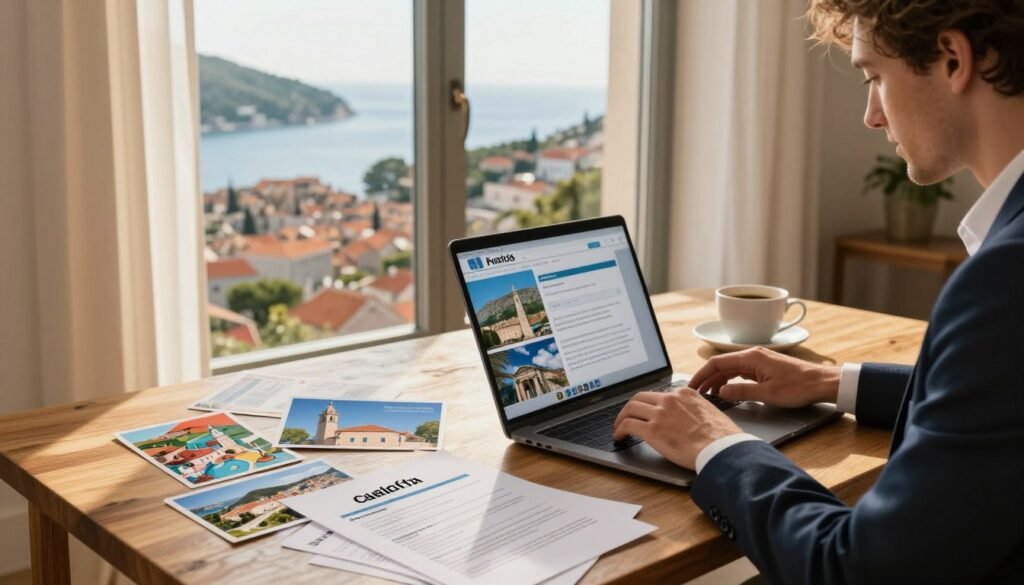
Albania’s Type D program stands out with its accessible income threshold of approximately $817 monthly. This makes it ideal for early-career professionals.
The entire application process occurs online with a maximum 12-week waiting period. Requirements include proof of overseas employment and Albanian accommodation.
Belgium Self-Employed Visa Highlights
Belgium’s program differs from typical digital nomad options. It targets professionals serving local clients rather than maintaining purely foreign business relationships.
The authorization grants a two-year residence permit renewable up to five years. Applicants must provide evidence of professional activity and pass background checks.
Croatia Digital Nomad Visa Essentials
Croatia’s digital nomad visa offers one-year residency without renewal options. The program requires proof of approximately $550 monthly income.
Holders cannot work with Croatian companies but enjoy tax-free status. Required documents include health insurance and confirmation of Croatian accommodation.
Navigating Visa Requirements Across Europe
European nations each present distinct pathways for location-independent professionals. Understanding both universal requirements and country-specific variations is crucial for a successful application.
Health Insurance and Proof of Income Essentials
Comprehensive health insurance is mandatory across all European programs. This requirement protects both the applicant and the host country’s healthcare system.
Standard travel insurance often falls short. Most nations require specialized expat plans covering emergency care, hospitalization, and medical repatriation.
Proof of income demonstrates financial stability. Applicants typically provide recent bank statements covering 3-6 months. Employment contracts or client agreements supplement this requirement.
Income thresholds vary dramatically across Europe. Albania requires approximately $817 monthly while Iceland demands $7,800. Most countries fall between $2,000-$4,000.
Country-Specific Documentation and Procedures
Application procedures differ significantly between nations. Estonia permits entirely online submissions. Belgium and Germany require initial embassy visits in your home country.
Processing times range from 10-15 days in Romania and Norway to 12 weeks in Albania. Early application is essential for those with fixed travel plans.
Always verify requirements through official government websites. These programs frequently update their procedures and documentation checklists.
The Role of Income Thresholds and Financial Criteria
Financial requirements form the foundation of most digital nomad program applications. Countries establish these thresholds to ensure applicants can support themselves without local employment.
This protects both the remote worker and the host nation’s social services. Understanding these financial criteria is essential for successful authorization.
Understanding Minimum Monthly Income Requirements
Minimum income levels vary dramatically between countries. Albania sets an accessible threshold at approximately $817 per month.
Iceland requires a substantial $7,800 monthly income. Greece demands €3,500 monthly after income tax deductions.
Family size significantly impacts these thresholds. Greece adds 20% for spouses and 15% per child. Some nations specify annual requirements instead of monthly figures.
Estonia requires €37,000 annually. Applicants must calculate carefully to maintain consistent income levels.
Tips for Demonstrating Financial Stability
Preparation is key for proving financial eligibility. Maintain bank balances above minimum thresholds for several months before applying.
Consolidate funds into primary accounts for clarity. Obtain official employment letters specifying remote work arrangements and salary details.
Self-employed individuals should organize client contracts demonstrating ongoing revenue. Keep digital and physical copies of all financial documents chronologically organized.
Some countries may request additional documentation during processing. Understanding whether nations assess income before or after income tax is crucial for accurate preparation.
The Digital Nomad Lifestyle and Its Impact on Visas
Living as a digital nomad transforms how professionals experience both work and travel. These specialized programs support a complete lifestyle shift beyond simple permission to stay abroad.
Combining Work and Travel Seamlessly
Digital nomad programs eliminate the stress of frequent border crossings. This stability allows professionals to focus on work quality while exploring new environments.
Longer stays enable deeper cultural immersion. Remote workers can form genuine connections with local communities. They discover hidden gems that tourists often miss.
Managing time zones becomes easier with established routines. Finding reliable workspaces with strong internet is crucial. This balance creates sustainable location-independent careers.
Accessing Local Services and Cultural Benefits
These authorizations provide access to essential local services. Opening bank accounts simplifies daily transactions and rent payments.
Local phone contracts offer better connectivity and cost savings. Some programs even include healthcare system access. These practical benefits transform temporary stays into home bases.
Cultural immersion occurs naturally through extended stays. Learning local languages and participating in community events becomes possible. This creates meaningful experiences beyond typical tourism.
Both remote workers and host countries benefit from this exchange. Professionals gain incredible life experiences while contributing to local economies.
Benefits of Digital Nomad Visas for Remote Workers
Beyond basic travel permissions, digital nomad programs unlock transformative lifestyle opportunities for location-independent professionals. These specialized authorizations deliver comprehensive advantages that extend well beyond simple legal compliance.
Extended Stay and Residency Advantages
Traditional tourist stays typically limit visits to 30-90 days. Digital nomad visas generally authorize initial stays of six to twenty-four months.
Many programs offer renewal options. Spain allows up to three years total. Portugal provides paths to permanent residency. Belgium offers two-year permits renewable to five years.
These extended legal stays eliminate stressful border crossings. They allow deeper cultural immersion and professional networking. Remote workers can establish true home bases instead of living transient lifestyles.
Tax Considerations and Legal Permits
Tax treatment varies dramatically across different nomad visa programs. Croatia and Cyprus offer tax-free status since income originates outside the country.
Portugal has special tax rates for digital nomads. Some nations expect full tax compliance. The 183-day rule often triggers tax residency status regardless of visa type.
U.S. citizens remain subject to U.S. taxation on worldwide income. They may qualify for Foreign Earned Income Exclusion. Consulting international tax professionals ensures compliance and avoids double taxation.
Understanding these financial implications is crucial for remote workers planning extended stays abroad. Proper planning protects both personal finances and legal status.
Key Steps to Apply for a Digital Nomad Visa
Successfully obtaining authorization to work remotely abroad depends on following a clear application roadmap. Breaking the process into manageable steps makes it less overwhelming.
Preparing Your Documents and Application Package
Thorough preparation is the key to avoiding delays. Start by creating a comprehensive checklist of required documents for your target country.
Common requirements include a valid passport with sufficient validity and recent bank statements. You’ll need proof of remote employment or self-employment income.
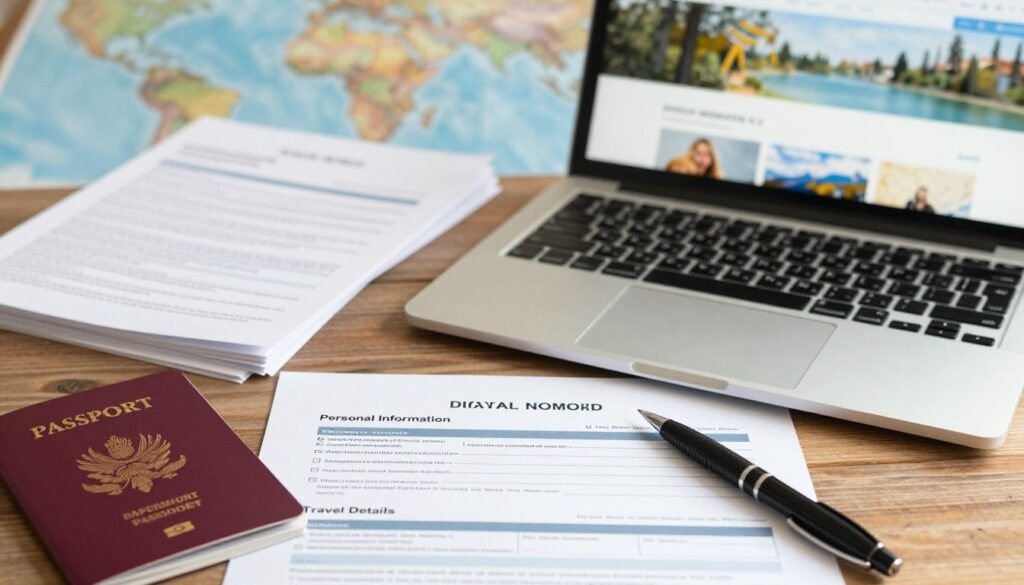
Financial documentation must show consistent income above the minimum threshold. Employment contracts or client agreements demonstrate your work arrangements.
Additional items often include international health insurance and background checks. Some countries require proof of accommodation arrangements.
Navigating Embassy and Consulate Procedures
Application methods vary between countries. Some nations accept entirely online submissions through government portals.
Many require in-person submission at an embassy in your home country. Contact the diplomatic mission well in advance to confirm procedures.
Schedule appointments early and clarify specific documentation requirements. Be prepared for potential interviews about your work and travel plans.
Processing times range from weeks to several months. Apply well before your intended travel date to ensure smooth approval.
Insights from Leading Web Sources on Nomad Visas
Industry analysis reveals fascinating trends in the global expansion of programs for location-independent professionals. Over 50 countries now have specific arrangements for remote workers. This marks a dramatic increase from just a few years ago.
Experts confirm this shift is permanent. Remote work is a long-term career path, not a temporary trend. Technology makes the line between work and travel very flexible.
Nations are actively competing to attract these professionals. They adjust income rules and simplify applications. The goal is to bring economic benefits and new people to certain areas.
These digital nomad visas are becoming more advanced. Some countries offer options for different income levels. Family-friendly benefits and paths to permanent stay are also emerging.
Challenges remain, like tax questions and community integration. But the overall trend is clear. The world is welcoming digital nomads with open arms.
How Digital Nomad Visas Contribute to Low-Cost Living
Financial flexibility becomes a reality when your income stretches further in affordable international destinations. These programs open doors to countries where your current earnings provide enhanced purchasing power.
Many popular locations offer significantly lower expenses than major U.S. cities. This economic advantage allows remote workers to save more or upgrade their lifestyle quality.
Exploring Affordable Destinations for Remote Workers
Albania stands out with its stunning landscapes and fresh cuisine. The $9,800 annual requirement supports comfortable living in beautiful coastal towns like Saranda.
Mexico provides vibrant expat communities with costs 40-60% below comparable U.S. cities. Portugal offers Western European quality at more accessible prices outside Lisbon.
Thailand delivers modern amenities at substantially lower costs. Rent for a one-bedroom apartment might cost $300-500 monthly versus $2,000+ in American urban centers.
These destinations prove that low cost living doesn’t mean sacrificing quality. Digital nomads enjoy excellent food, strong internet, and rich cultural experiences while maximizing their financial potential.
Exploring Unique Visa Options: From Estonia to Iceland
Estonia and Iceland stand out with their distinctive digital nomad programs that reflect their unique national priorities. These Nordic and Baltic nations offer contrasting but equally valuable approaches for location-independent professionals.
Estonia Digital Nomad Visa: Innovation in Remote Work
Estonia made history in 2020 by launching the world’s first official digital nomad visa program. This innovation aligns with the country’s reputation as a technological leader.
The program offers two options: a short-stay C-Visa for three months and a long-stay D-Visa for one year. Both require annual income of $37,000 and feature complete online applications.
Successful applicants gain Schengen Area access and integration with Estonia’s advanced digital infrastructure. This nomad visa particularly appeals to tech professionals and digital entrepreneurs.
Iceland’s Long-Term Remote Work Visa Overview
Iceland’s program takes a different approach, capping stays at six months without renewal options. It targets high-earning remote employees rather than freelancers.
The monthly income requirement is $7,800, among the highest thresholds globally. Applicants must submit by mail and be eligible for visa-free entry.
Stays under 183 days avoid triggering Icelandic tax residency. This program suits professionals seeking temporary Nordic experiences rather than long-term relocation.
Impact of Diplomatic Procedures and Embassy Requirements
The interaction with consular services often determines the success or failure of your application for location-independent work permissions. While many nations now offer online submissions, others maintain traditional embassy requirements.
Some countries use a two-stage approval process. You first apply through your home country embassy, then complete final steps after arrival. This approach is common in European nations.
The initial nomad visa typically grants 90-day entry. During this period, remote workers must obtain residence permits and fulfill local requirements.
Practical challenges include scheduling embassy appointments months in advance. Some applicants face long travel distances to reach diplomatic missions. Different embassies may interpret rules differently.
Prepare thoroughly for embassy interactions. Bring organized documents with originals and copies. Dress professionally and answer questions confidently about your working remotely arrangements.
Countries like Estonia and Georgia now offer fully digital applications. This trend toward modernization benefits digital nomad applicants worldwide.
Always verify current procedures through official government websites. Embassy requirements can change with minimal notice.
Future Trends in Visas for Remote Workers
Looking ahead, the programs enabling global mobility for remote professionals are undergoing significant transformation driven by digital innovation. Countries now recognize that remote work represents a permanent career path rather than a temporary arrangement.
Nations are competing to attract talented professionals. They continuously refine their programs to provide better benefits and lower barriers. This evolution creates exciting opportunities for location-independent careers.
Technological Advances in Digital Visa Processing
Digital processing is becoming the standard for nomad visa applications. Countries like Estonia lead with fully online systems that eliminate embassy visits. This approach makes the process faster and more accessible.
Emerging technologies include blockchain verification and AI document processing. These tools reduce approval times significantly. Integrated platforms connect authorization services with housing and banking registration.
More countries will likely join the movement as they see economic benefits. Regional cooperation could create multi-country access through single applications. These advances will make international work even more seamless for remote workers.
Conclusion
The world has opened its doors to a new generation of professionals who blend work with global exploration. Over 50 countries now welcome digital nomads through specialized programs.
These opportunities let remote workers legally live work abroad for extended periods. Countries like Costa Rica have launched digital nomad programs that balance accessibility with quality living.
Each nomad visa offers unique benefits. The authorization typically allows stay far beyond tourist limits. This visa allows stay while maintaining career momentum.
Successful applications require meeting income thresholds and providing proper documentation. Digital nomads should research programs matching their circumstances.
The global acceptance of location-independent work creates incredible opportunities. Remote workers can now build meaningful careers while exploring diverse cultures worldwide.
FAQ
What is a digital nomad visa?
A digital nomad visa is a special type of residence permit. It allows remote workers and freelancers to live and work legally in a foreign country for an extended period. Unlike a standard tourist visa, it specifically caters to individuals who work online.
Which countries offer a digital nomad visa?
Many countries now offer digital nomad visas to attract remote workers. Popular options include Croatia, Costa Rica, Estonia, and Iceland. Each nation has its own requirements, such as proof of income and valid health insurance.
What are the main benefits of a digital nomad visa?
The primary benefit is the ability to live and work in a new country legally for up to one or two years. This provides stability compared to a tourist visa. It also often allows access to local services and can contribute to a lower cost of living.
How does a digital nomad visa differ from a tourist visa?
A tourist visa is typically for short-term stays and prohibits formal work. A digital nomad visa is designed for longer stays, often six months to a year, and explicitly permits remote work. It provides greater legal security for working remotely.
What is a common requirement for applying for a digital nomad visa?
Most applications require proof of a minimum monthly income. This threshold varies by country but ensures you can support yourself without local employment. You will also typically need proof of health insurance coverage.
How do I apply for a digital nomad visa?
You usually apply through the embassy or consulate of your home country for the nation you wish to enter. The process involves submitting an application package with documents like proof of income, health insurance, and a clean criminal record.
Are there tax implications with a digital nomad visa?
Tax rules vary significantly. Some countries offering digital nomad visas provide income tax exemptions for a certain period. It is crucial to research the specific tax laws of the host country and understand your obligations.
Can a digital nomad visa lead to permanent residency?
In some cases, a digital nomad visa can be a pathway to a longer-term residence permit. However, this is not automatic. You would need to check the specific immigration policies of the country, as rules differ greatly.