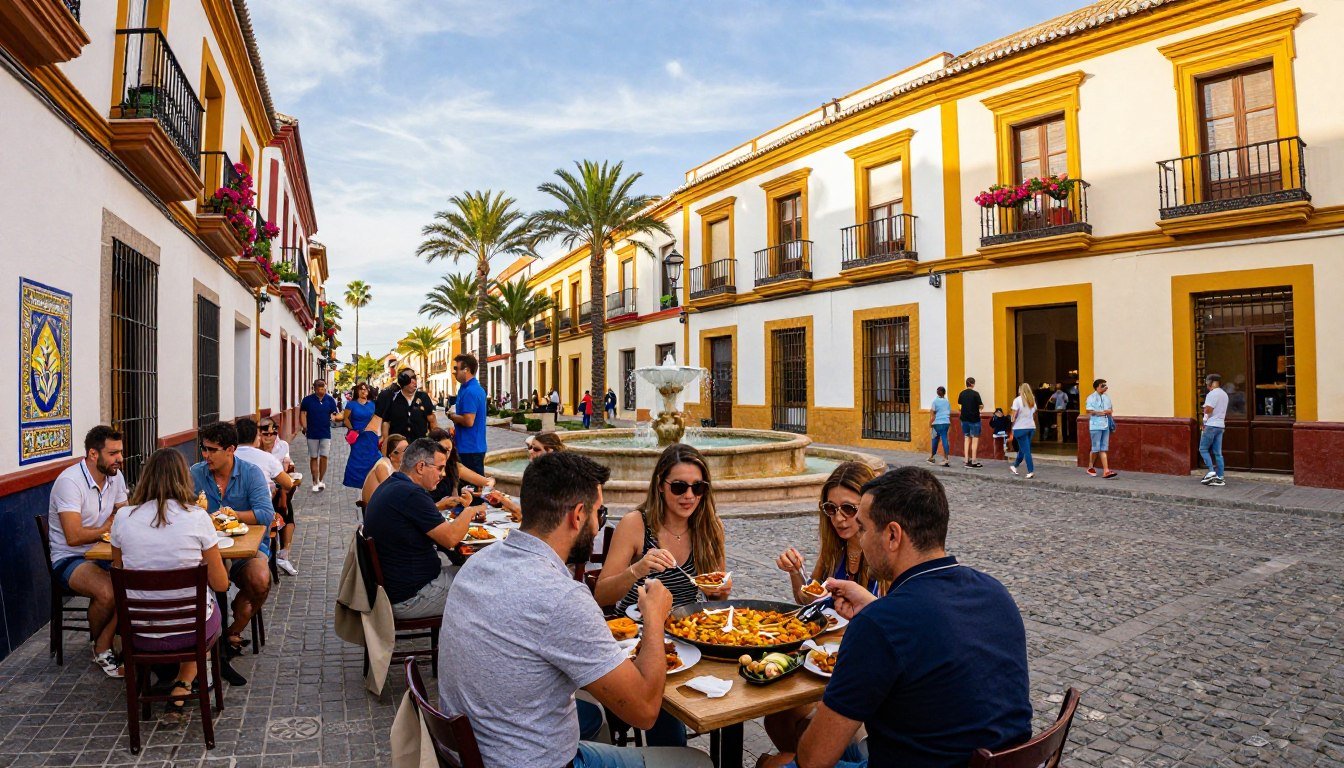
What if you could enjoy a European lifestyle without the steep price tag? Many people dream of moving abroad but worry about finances. Spain offers a surprising answer to this common concern.
This beautiful country is a top choice for expats, retirees, and remote workers. They are drawn by the promise of an excellent quality of life. The overall expenses here are often much lower than in the United States or Northern Europe.
Imagine life with sunny weather, rich history, and fantastic food. Spain delivers all this within a relaxed Mediterranean pace. This guide will explore what it truly takes to build a life in this captivating country.
We will break down all major spending categories for you. This includes housing, groceries, transport, and healthcare. You will get a clear picture of daily expenses in different cities.
Understanding your budget is key to a successful move. We will provide specific prices and smart tips to help your money go further. Get ready to discover how affordable your dream life can be.
Key Takeaways
- Spain provides a high quality of life at a more affordable price point than many Western nations.
- Expenses can vary significantly depending on the city and region you choose to live in.
- Major cost categories to consider include housing, utilities, food, and transportation.
- The country offers a appealing blend of culture, cuisine, climate, and healthcare.
- This guide will provide detailed financial comparisons and practical money-saving advice.
- Your personal lifestyle choices will be a major factor in your overall monthly budget.
Introduction: Why Consider Spain for a New Lifestyle?
Discover how Spain’s unique blend of modern convenience and traditional charm creates an irresistible appeal. This nation attracts diverse groups seeking meaningful change.
An Overview of Spain’s Appeal for Expats
The Mediterranean climate provides year-round sunshine perfect for outdoor activities. Cultural richness appears in historic architecture and vibrant local traditions.
Different demographics find specific advantages here. Retirees enjoy warm weather and accessible healthcare. Remote workers maintain Western amenities while reducing their monthly expenses.
Families discover safe communities with excellent education options. The financial advantage is significant compared to North America.
Overall expenses run about 34% lower than in the United States. Housing costs show the most dramatic difference at 57% cheaper.
Modern infrastructure includes high-speed rail and reliable internet. Strategic location offers easy access to Europe and North Africa.
Growing expat communities provide support networks for newcomers. Many people successfully build fulfilling lives despite initial challenges.
The quality of life here emphasizes leisure and community connections. Spain delivers a balanced approach to daily living that many find transformative.
Overview of Spain’s Living Expenses: cost of living in spain
Understanding your financial needs is crucial when planning a move to Spain. Monthly budgets vary significantly based on location and lifestyle choices.
Key Factors Influencing Daily Costs
Geographic location plays the biggest role in your monthly expenditures. Coastal cities and major metropolitan areas typically have higher prices than smaller towns.
Your housing preferences, transportation methods, and entertainment habits also impact your budget. Dietary choices and whether you have dependents further shape your financial requirements.
Data Insights from Recent Comparisons
The average salary in Spain is €2,250 per month. This figure ranges from €3,130 in Barcelona to €2,690 in Bilbao.
Single individuals can manage comfortably on approximately €1,200 monthly. This covers rent, groceries, insurance, and occasional dining out.
A more flexible lifestyle with regular entertainment requires around €1,700. Families should budget €2,200 to €2,881 to cover all necessities.
Spain’s adjusted disposable income is $23,999 annually compared to the OECD average of $33,604. While salaries are lower, so are living expenses, resulting in better purchasing power.
Housing and Rent Costs in Spain
Finding the right place to live is your biggest financial decision when relocating to Spain. The national average for a one-bedroom apartment is €972 per month. However, prices vary dramatically between regions and neighborhood types.
City Center vs. Suburban Living
Location significantly impacts your monthly housing expenses. Furnished one-bedroom units in urban cores average $675-$825 per month.
Similar apartments outside major towns typically run $550-$680. This represents substantial savings for those willing to commute.
Rent Trends in Major Cities like Madrid and Barcelona
Madrid and Barcelona show the highest rental prices in the country. A furnished one-bedroom in Madrid’s center averages $925-$1,150 monthly.
Barcelona and Valencia see two-bedroom flats ranging from $1,200 to $2,000+. These cities attract premium prices due to high demand.
Southern cities like Cordoba and Granada offer more affordable alternatives. One-bedroom apartments here can start as low as $450 per month.
Northwest regions including Bilbao and San Sebastian have two-bedroom units starting at $800. Rental costs increase with proximity to amenities and transportation.
Even in expensive urban areas, Spain’s housing remains competitive against other European capitals. The overall value represents a significant advantage for expatriates.
Utilities, Groceries, and Daily Expenses
Managing your monthly bills for essentials is a key part of settling into Spanish life. These recurring expenses form the backbone of your budget.
For a standard apartment, basic utilities like gas, water, and electricity average around €188 each month. Your final bills depend heavily on the season and your usage.
Monthly Utility Bills and Internet Costs
Expect to pay between $150 and $250 per month for electricity and water combined. Air conditioning in summer can increase this cost.
High-speed internet is reliable and affordable. Plans typically range from $20 to $40 each month.
Your grocery budget offers significant savings. A single person spends about €200 per month on groceries.
Fresh, local produce is very affordable. A gallon of milk is around $3.00. A dozen eggs cost roughly $2.00.
Staples like rice and potatoes are less than $0.60 per pound. This makes the overall price of food a major advantage of the cost of living in Spain.
Shopping at local markets can lower your groceries bills even further. It also provides fresher products.
Transportation and Commuting Costs in Spain
Spain’s transportation infrastructure provides residents with affordable and convenient options for daily travel. The country offers excellent connectivity through various modes of transport.
Public Transit, Bike-Sharing, and Car Options
Public transport systems in major urban centers are highly efficient. A single-journey ticket averages €1.64, making daily commuting very affordable.
Monthly passes provide unlimited travel for around $37-$45. This represents excellent value for regular commuters. Alternative ticket options like the T-10 card offer flexibility for occasional users.
Bike-sharing programs thrive across Spanish cities. Annual memberships range from $25-$50 with extensive dedicated bike lanes. Barcelona’s Bicing program covers 300 km of paths.
Car ownership involves higher expenses due to fuel prices around $5.69-$6.95 per gallon. New vehicle purchases start around $19,425 for basic models.
Taxis and ride-sharing services offer fares approximately one-third cheaper than US rates. These provide convenient alternatives without ownership costs.
Healthcare and Insurance Considerations
Spain’s medical infrastructure represents a significant advantage for residents. The country’s healthcare system consistently ranks among the world’s best.

Public Healthcare System and Private Options
Spain’s public healthcare provides comprehensive coverage for registered residents. This includes doctor visits, hospital stays, and most medications at no direct cost.
The World Health Organization ranked this system 7th globally in 2020. This reflects the high quality of medical services available.
Private insurance options range from $50 to $100 per month. Many expats choose private plans for shorter wait times and English-speaking doctors.
New residents must have private health coverage without co-pays for their first year. This requirement ensures continuous access to medical care during the transition period.
Out-of-pocket expenses remain very affordable. Most procedures cost between $20 and $40. This makes quality healthcare accessible to everyone.
Compared to American insurance averaging $456 monthly, Spain offers substantial savings. The combination of public and private options creates a robust safety net for all health needs.
Budgeting for Food, Dining, and Entertainment
Exploring Spain’s culinary scene and leisure activities reveals significant savings compared to American prices. Your food and entertainment budget directly impacts how comfortably you can experience local culture.
Dining out becomes more affordable here. A three-course dinner for two at a mid-range restaurant averages €50, about 25% less than similar American meals.
Grocery Prices and Meal Costs Compared to the USA
Lunchtime offers exceptional value with the popular “menu del dia.” This three-course meal with drink costs just $10-$15 at most restaurants.
Casual dining options are similarly affordable. A decent restaurant lunch runs $10.90-$13.30, while fast-food meals average $7.38-$9.02.
Beverage prices contribute to the savings. Domestic beer costs about €3 per half-liter, roughly half the American price.
Entertainment expenses remain manageable. Cinema tickets cost €8, and gym memberships average €40 per month. Most people budget $50-$100 monthly for leisure activities.
Personal services like haircuts range from $30-$100. Ladies’ salon services and nail treatments combined cost $40-$75.
You can save money by shopping at local markets for fresh produce. Cooking with Mediterranean ingredients reduces food expenses significantly.
Travel within Spain and Europe offers incredible value. Budget flights sometimes drop to $5-$12, with many direct return flights under $100.
Choosing the Best Spanish City for Your Lifestyle
Your choice of Spanish city dramatically shapes your monthly budget and daily experience. Each location offers a unique blend of culture, amenities, and financial requirements.
Selecting the right place depends on your personal priorities and financial plan.
Most Expensive vs. Most Affordable Cities
Barcelona stands as the priciest city, yet it remains 60% cheaper than New York City. This global hub boasts Gaudí’s architecture, world-class beaches, and international business.
Madrid offers endless cultural activities and big-city energy. Bilbao and Palma de Mallorca also rank among the more expensive places.
For those seeking lower expenses, Zaragoza and Alicante are 70% cheaper than NYC. Granada provides a 30% lower budget than Barcelona with its famous Alhambra.
Valencia strikes a perfect balance with urban amenities and beach access. Malaga offers beautiful Mediterranean shores at one of the lowest price points.
Your ideal city matches your lifestyle goals. Consider career opportunities, beach living, or cultural immersion when comparing these diverse places.
Even the most expensive Spanish cities provide excellent value compared to major international hubs. This makes the overall experience of living in Spain highly attractive for various budgets.
Tips for Saving Money and Maximizing Your Budget in Spain
Smart financial planning can transform your Spanish experience from good to great. Understanding local advantages helps you stretch your money further.
Spain offers favorable tax laws for expatriates. The Beckham Law and dual taxation treaties can significantly reduce your tax burden over time.

Adapting Expenses for Different Lifestyles
Your monthly budget adapts to your household size. A single person needs around $1,970 to live comfortably.
Couples should plan for approximately $2,825 each month. Families with children typically require €2,200 to €2,881.
Take advantage of Spain’s abundant free cultural activities. Many cities offer concerts, art exhibitions, and free museum access on the first Sunday.
Senior discounts are widely available in stores and transportation. This makes Spain particularly attractive for retirees on fixed incomes.
Practical strategies include cooking with local ingredients and using public transit. Embracing the menu del día lunch special saves money while enjoying restaurant meals.
These approaches help you maintain a comfortable lifestyle without straining your finances. Your money goes further when you leverage local opportunities.
Conclusion
The financial landscape in Spain offers remarkable value compared to many Western nations. Monthly expenses show significant savings over the USA and UK, particularly for housing, groceries, and healthcare.
Singles can manage comfortably on €1,200-€1,700 each month. Couples need approximately $2,825, while families should budget €2,200-€2,881. Your lifestyle choices and city selection greatly impact these figures.
Spain provides outstanding services and infrastructure that justify slightly higher prices than some countries. The healthcare system ranks among the world’s best, and public transport networks are extensive.
Whether you seek vibrant city life or tranquil coastal living, Spain accommodates diverse budgets. The country delivers European quality with manageable financial requirements, making it accessible for various life stages.
FAQ
How much money do you need to live comfortably in Spain per month?
A single person can live comfortably in many Spanish cities for around
FAQ
How much money do you need to live comfortably in Spain per month?
A single person can live comfortably in many Spanish cities for around $1,800 to $2,200 per month. This budget covers rent for a one-bedroom apartment, utilities, groceries, transport, and leisure activities. For a family, a monthly budget of $3,000 to $4,000 is more realistic to cover all expenses.
Is healthcare free for expats in Spain?
A> Access to the public healthcare system is available for expats who are legal residents and contributing to the Spanish social security system through employment. Many expats also opt for private health insurance from providers like Sanitas or Adeslas for faster access to specialists and English-speaking doctors.
What are the average utility bills for an apartment in Spain?
Monthly utility bills for an average apartment, including electricity, water, heating, and garbage disposal, typically range from $120 to $180. An internet and mobile phone package adds another $40 to $60 to your monthly expenses.
How does the price of groceries in Spain compare to the USA?
Groceries are generally more affordable in Spain than in the United States. Staple items like bread, fresh produce, and local wine often cost significantly less. Shopping at local markets and chains like Mercadona can help you save money on your food budget.
Which Spanish cities offer the best balance of affordability and quality of life?
Cities like Valencia, Granada, and Alicante are renowned for offering a high quality of life with lower living expenses compared to Madrid or Barcelona. These places provide excellent amenities, culture, and access to services without the premium price tag of the largest metropolitan areas.
What is the most effective way to save money on transportation in Spain?
Utilizing public transport is the most cost-effective option. Major cities have efficient metro, bus, and train networks. Monthly travel passes are affordable. For shorter distances, bike-sharing services like Bicing in Barcelona are popular and inexpensive.
,800 to ,200 per month. This budget covers rent for a one-bedroom apartment, utilities, groceries, transport, and leisure activities. For a family, a monthly budget of ,000 to ,000 is more realistic to cover all expenses.
Is healthcare free for expats in Spain?
A> Access to the public healthcare system is available for expats who are legal residents and contributing to the Spanish social security system through employment. Many expats also opt for private health insurance from providers like Sanitas or Adeslas for faster access to specialists and English-speaking doctors.
What are the average utility bills for an apartment in Spain?
Monthly utility bills for an average apartment, including electricity, water, heating, and garbage disposal, typically range from 0 to 0. An internet and mobile phone package adds another to to your monthly expenses.
How does the price of groceries in Spain compare to the USA?
Groceries are generally more affordable in Spain than in the United States. Staple items like bread, fresh produce, and local wine often cost significantly less. Shopping at local markets and chains like Mercadona can help you save money on your food budget.
Which Spanish cities offer the best balance of affordability and quality of life?
Cities like Valencia, Granada, and Alicante are renowned for offering a high quality of life with lower living expenses compared to Madrid or Barcelona. These places provide excellent amenities, culture, and access to services without the premium price tag of the largest metropolitan areas.
What is the most effective way to save money on transportation in Spain?
Utilizing public transport is the most cost-effective option. Major cities have efficient metro, bus, and train networks. Monthly travel passes are affordable. For shorter distances, bike-sharing services like Bicing in Barcelona are popular and inexpensive.