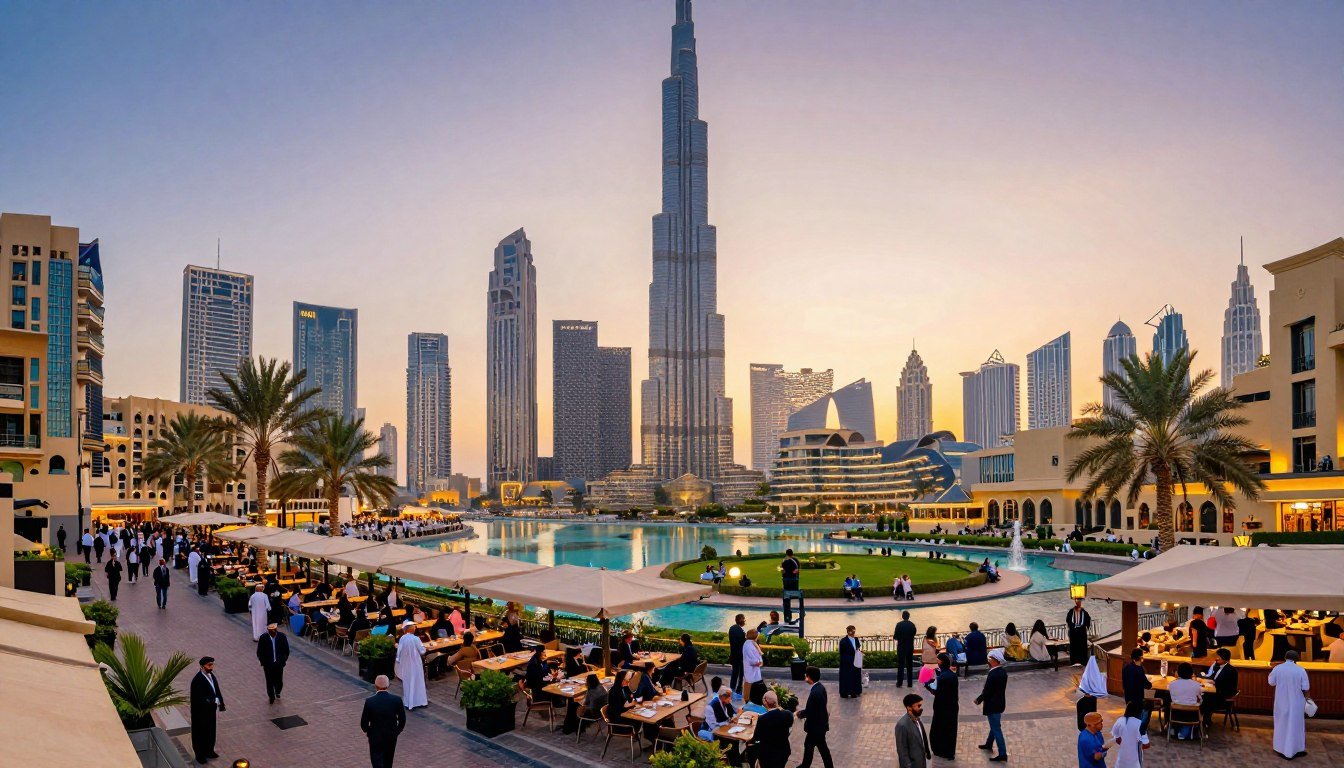
Is Dubai really the ultra-expensive luxury destination many people imagine, or could this global hub offer surprising affordability for savvy expats?
This vibrant metropolis has transformed into a top destination for professionals and families worldwide. People from the UK, Hong Kong, and across the globe are drawn to its dynamic opportunities.
Understanding your financial picture here is essential whether you’re pursuing career growth or seeking a world-class lifestyle. The city provides remarkable flexibility in how you manage your budget.
Our detailed examination covers all major spending categories. We analyze housing, utilities, transportation, healthcare, education, and entertainment expenses.
This resource uses the latest 2024-2025 data from authoritative sources like Mercer and Numbeo. You’ll see how this emirate compares to other major business centers globally.
Key Takeaways
- Dubai offers flexible lifestyle options ranging from affordable to luxurious
- Comprehensive breakdowns cover all major expense categories for accurate budgeting
- Latest 2024-2025 data ensures current and relevant financial information
- Comparisons with other global hubs help with relocation decisions
- Tailored guidance for singles, couples, and families of different sizes
- Strategies for managing expenses effectively in Dubai’s economic environment
- Insights into neighborhood affordability and salary requirements
Introduction to Dubai’s Dynamic Living Landscape
As a global crossroads for commerce and culture, Dubai has cemented its status as a premier destination for international talent. The city attracts ambitious expats from the UK, Hong Kong, and countless other nations seeking professional growth.
Beyond the iconic skyline, Dubai offers exceptional business opportunities across finance, technology, and real estate sectors. Entrepreneurs and established professionals alike find fertile ground for career advancement in this vibrant economic environment.
The emirate provides residents with a secure setting featuring world-class infrastructure and low crime rates. This safe foundation supports a diverse lifestyle with access to international cuisine and cultural experiences from over 200 nationalities.
Understanding financial requirements helps people maximize their experience while maintaining stability. The combination of tax-free income and modern amenities creates an appealing proposition for those considering the living dubai experience.
Global Comparisons: How Dubai Stacks Up Against Major Cities
Recent international rankings provide valuable insights into how Dubai measures up against other prominent cities worldwide. The emirate’s position in global expense surveys offers a clear picture for potential residents.
International Cost Data and Rankings
Mercer’s 2024 survey shows Dubai climbing to 15th place globally, up three spots from the previous year. This makes it the most expensive Middle Eastern destination for international professionals.
Despite this rise, the city remains significantly more affordable than top-tier hubs. Monthly expenses for a single person average AED 4,066 without rental costs.
This figure compares favorably with Hong Kong and Singapore. Both Asian centers show similar baseline expenditure levels.
Key Insights from Mercer and Numbeo
Rental prices demonstrate Dubai’s competitive edge. A city-center one-bedroom averages AED 8,174 monthly.
This positions Dubai between Hong Kong and Singapore for housing costs. The gap with premium locations like New York remains substantial.
Everyday item inflation rates also favor the emirate. Essential goods saw smaller price increases compared to other expensive urban centers.
Transportation expenses provide another advantage. Fuel and taxi rates are considerably lower than in many competing cities.
Housing and Rental Market in Dubai
Finding suitable housing represents a crucial decision for anyone considering relocation to this dynamic city. Accommodation expenses typically form the largest portion of monthly budgets for residents.
Rental Trends and Year-on-Year Increases
Dubai’s residential real estate market has grown for 17 consecutive quarters. Overall rental prices rose 18% year-on-year in 2024.
Apartment tenants faced 22% increases compared to the previous year. Villa rent saw a more moderate 13% rise. Despite these hikes, lease renewals increased by 14% in Q2 2024.

Popular Expat Neighborhoods and Pricing Overview
Jumeirah Lakes Tower (JLT) offers excellent options for singles and families. One-bedroom apartments range from AED 70,000 to AED 90,000 annually.
Other sought-after areas include Dubai Marina and Jumeirah Beach Residence. These communities provide premium amenities and vibrant atmospheres.
City-center one-bedroom units average AED 8,174.61 per month. Similar apartments outside central locations cost approximately AED 5,089.07 monthly.
Families can find three-bedroom homes starting around AED 10,013.85 monthly in suburban areas. The city offers diverse property options to match different budgets.
Detailed Analysis: cost of living in dubai for Expats
Budget planning for international professionals considering Dubai requires precise financial breakdowns. Recent data shows modest increases in essential expenditures for 2025.
The average cost for a single person reached AED 4,084.9 monthly in 2025. This represents only a 0.5% increase from the previous year’s figures.
For a family four, monthly expenses averaged AED 14,239.9. This minimal 0.3% growth indicates stable pricing despite market expansion.
Essential living expenses cover housing, food, transportation, healthcare, and clothing. Housing typically consumes 30% of the budget.
Transportation and food each account for approximately 15% of total expenditures. These percentages help expats allocate funds effectively.
A single person can expect monthly cost between AED 3,500 and AED 5,500 excluding rent. Newly married couples should budget AED 6,700 to AED 7,700.
Family budgets range from AED 14,800 to AED 22,300 without housing costs. Cultural preferences significantly influence spending patterns among expats.
These controlled inflation rates demonstrate Dubai’s economic stability. Understanding these figures helps family units make informed relocation decisions.
Utilities, Healthcare, and Insurance Costs
Utility expenses and healthcare coverage form significant components of monthly budgets in the emirate. Understanding these essential services helps residents plan their finances effectively.
Home Utilities and Residential Services
The Dubai Electricity and Water Authority (DEWA) manages basic utilities for all properties. Monthly bills fluctuate seasonally, especially during hot summer months.
For a standard one-bedroom apartment, electricity costs range from AED 200-400 monthly. Water expenses typically add AED 50-100, while cooling systems contribute AED 150-300.
Total utility costs for a 900 sq. ft. apartment average AED 650-750. Larger villas with pools can see bills reaching AED 2,200-3,700.
Health Insurance and Essential Benefits Plans
Dubai mandates private medical insurance for all residents. Employers typically provide coverage for employees, sometimes extending to family members.
The Essential Benefits Plan (EBP) represents the minimum required health insurance. Annual premiums start at AED 650 for employees and dependents.
Comprehensive health insurance for individuals averages AED 5,500 yearly. Family coverage ranges from AED 15,000-25,000 for broader healthcare protection.
This mandatory insurance system ensures access to quality healthcare services. It provides essential health security for everyone in the emirate.
Transportation and Public Commute Expenses
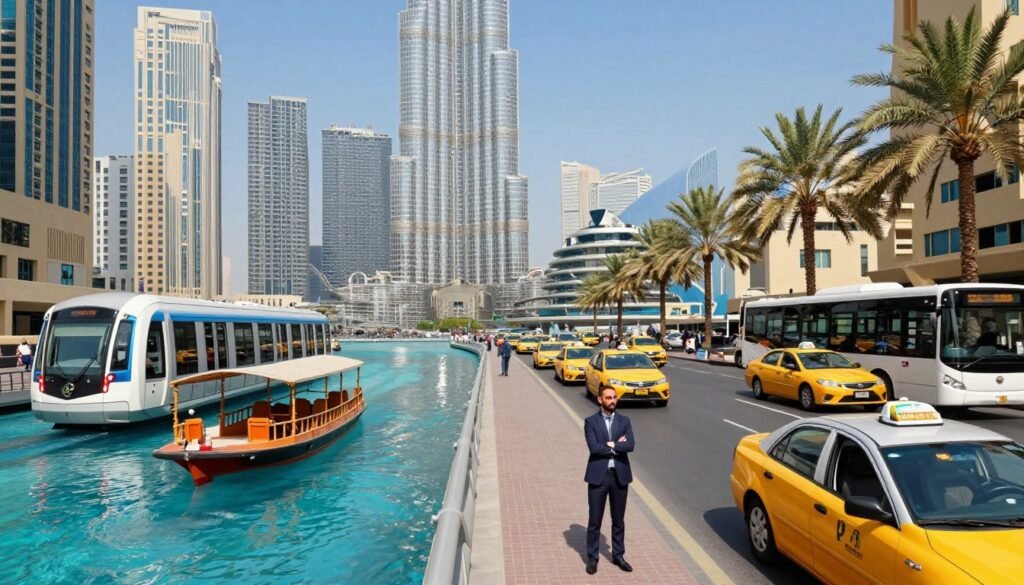
Getting around Dubai presents residents with diverse mobility choices that balance convenience with financial planning. The city’s infrastructure supports both private vehicle ownership and comprehensive public transit systems.
Car Ownership vs. Public Transportation
Vehicle ownership begins with purchase costs ranging from AED 74,900 for a new Toyota Corolla to AED 40,000 for a used model. Monthly expenses include insurance at AED 165, fuel around AED 400, and tolls averaging AED 100.
Dubai’s public transportation network offers extensive coverage through metro, buses, and taxis. The convenient Nol card system provides unlimited monthly passes starting at AED 140 for single-zone travel.
Single bus tickets range from AED 4 to AED 8.50 depending on zones. Taxis start at AED 12 with AED 2.50 per additional kilometer. These options provide flexibility for different commuting needs.
Local petrol prices remain affordable at AED 2.63-2.74 per liter. This makes car ownership more economically viable compared to global averages. Residents can choose the approach that best fits their lifestyle and budget requirements.
Education and Schooling Expenses in Dubai
Educational planning represents a crucial financial consideration for families considering relocation to the emirate. The city offers both public and private institutions, though expats must pay fees regardless of which type they choose.
Public school annual tuition is capped at AED 6,000, providing an affordable option. This makes public education accessible to budget-conscious family units.
Public vs. Private Education Costs
Dubai hosts 209 private schools serving nearly 290,000 students. Fees for these institutions show significant variation based on curriculum and location.
Private school costs typically range from AED 12,723 to AED 64,903 annually. Premium British, American, and IB schools command the highest fees, reaching AED 4,500-11,500 per month.
Indian curriculum schools offer more affordable alternatives. Top institutions like GEMS Modern Academy charge AED 30,272-73,876 yearly.
Higher education presents another financial consideration. Undergraduate degrees average AED 40,000-100,000 annually, while graduate programs range from AED 50,000-120,000.
Lifestyle, Entertainment, and Miscellaneous Costs
Dubai’s vibrant social scene offers diverse entertainment and dining experiences that cater to every budget and preference. The city provides numerous options for enjoying your free time without breaking the bank.
Food expenses show significant variation depending on your dining habits. Affordable restaurant meals start around AED 40, while fine-dining experiences can reach AED 1,000 for two people.
Dining, Leisure, and Recreational Expenses
Grocery shopping presents another important aspect of daily life. Essential items like rice, eggs, and fresh produce remain reasonably priced.
Monthly grocery bills average AED 550 for singles and AED 2,400 for families of four. Shopping at budget-friendly supermarkets helps control these expenses.
Entertainment options include movie tickets at AED 45 and gym memberships from AED 270 monthly. The city also offers many free activities like public beaches and community events.
Smart budget choices can enhance your lifestyle while managing food costs. Cooking at home and using discount cards provide substantial savings.
This flexible approach to recreation allows people to enjoy Dubai’s rich social life. Your budget determines the type of experiences you can enjoy while you live dubai.
Conclusion
With substantial salary progression and world-class amenities, the emirate offers a balanced approach to professional and personal fulfillment. Despite recent increases, the cost living remains competitive compared to other global hubs.
Professionals see significant earnings growth over time. Those with 2-5 years experience earn 32% more than juniors. After 5-10 years, salaries jump 36% higher. This makes living dubai financially rewarding long-term.
The city provides exceptional safety and infrastructure. This guide helps expats understand monthly expenses and negotiate appropriate compensation.
Whether you’re moving dubai for career opportunities or family life, strategic planning ensures success. The average cost aligns with global standards while offering unique benefits.
Residents can comfortably live dubai on AED 16,000-30,000 monthly. This world-class destination continues attracting international talent seeking both professional growth and quality living.
FAQ
What is the average monthly expense for a single person in Dubai?
For a single person, monthly expenses can range from AED 4,000 to AED 8,000. This budget typically covers housing for a studio or one-bedroom apartment, utilities, groceries, and public transportation. The final amount depends heavily on your chosen lifestyle and residential area.
How much should a family of four budget per month for life in Dubai?
A family of four should plan for a monthly budget ranging from AED 12,000 to AED 25,000. This estimate includes rent for a two or three-bedroom home, schooling fees, health insurance, food, and transportation. The higher end of this range accounts for premium housing options and international private education.
Is medical insurance mandatory for residents in the city?
A> Yes, health insurance is mandatory for all residents in Dubai. Employers are required to provide Essential Benefits Plans for their employees. Expats must secure additional coverage for dependents, such as spouses and children, which is an important factor in your overall financial plan.
How does the housing market compare to other global cities like New York?
While still a premium city, rental costs in Dubai are generally more affordable than in New York, especially for comparable apartment sizes and locations. However, the market is dynamic, with year-on-year increases in popular expat neighborhoods. It’s crucial to research current rental trends before moving.
What are the main differences between public and private education costs?
Public schools offer education at a lower cost, primarily for UAE nationals. Most expats opt for private schooling, which can represent a significant portion of a family’s expenses. Fees for international private schools vary widely based on curriculum and reputation.
Is it more economical to use public transportation or own a car?
Dubai’s public transportation system, including the Metro, buses, and taxis, is modern and efficient. For many single people or couples living and working near metro lines, it can be a very economical choice. Car ownership involves additional costs like insurance, fuel, and parking, which can add up quickly.