What if the key to a stronger neighborhood wasn’t a new law or a big budget, but simply neighbors deciding to work together?
Recent data shows over one billion individuals give their time to local service initiatives worldwide. This isn’t just about charity. It’s about building resilient places where residents feel a deep sense of shared duty.
Engaging in this work allows people to tackle specific needs. It also forges connections that transform the social fabric of our towns. A single local effort can ignite lasting change.
It provides meaningful chances for neighbors to support each other. By focusing on collective action, we create a more vibrant and supportive environment for all. Dedicated service empowers individuals to take ownership of their surroundings.
This improves the quality of life right where we live. Let’s explore how these efforts make a real difference.
Key Takeaways
- Over a billion people globally participate in volunteer service.
- Local initiatives build stronger, more resilient neighborhoods.
- Service work fosters deep connections among residents.
- A single project can create lasting positive change.
- Collective action ensures a more supportive environment.
- Individuals gain empowerment by improving their local area.
- These efforts directly enhance the community’s quality of life.
Overview of Community Projects and Their Community Impact
Data reveals a powerful trend: over a billion people volunteer in community service projects worldwide. This global movement focuses on improving the places we call home.
Defining Community Projects
These organized efforts involve residents donating their time and skills. They address specific needs within their immediate area.
From food drives to park cleanups, each initiative aims to create a positive ripple effect. The core idea is neighbors helping neighbors through dedicated service.
Key Benefits for Local Neighborhoods
Such community service provides essential support to those who need a helping hand. It can transform a street or an entire town.
Working toward a common goal strengthens bonds between diverse groups. This builds a more resilient social fabric.
Well-designed efforts are engaging and fun. This motivates participants to return and continue their service.
Every person can find a role that contributes to local well-being. This collective action ensures a healthier, more vibrant environment for all.
Community Projects: A Gateway to Local Impact
Local initiatives serve as a direct pathway for residents to shape their immediate environment. These organized efforts tackle the specific challenges facing unique geographic areas. They turn concern into concrete action.
Every volunteer effort acts as a catalyst for positive change. It helps bridge the gap between identified needs and available resources. This connection is vital for neighborhood transformation.
By taking part in structured service, people gain a deeper understanding of their neighbors’ daily lives. This awareness fosters empathy and drives more targeted support. Volunteers see firsthand where their contributions matter most.
The collective result of this work creates a more inclusive atmosphere. Every member feels valued and supported. A stronger social fabric emerges from shared goals.
We encourage you to explore how your personal involvement can lead to real improvements. Your time can enhance the safety and beauty of your own street. Start by joining one effort today.
Creative Community Service Ideas for Neighborhood Transformation
The most impactful changes often stem from creative concepts that residents can easily implement. These approaches address both urgent material needs and long-term social goals.
Donation Initiatives and Support Drives
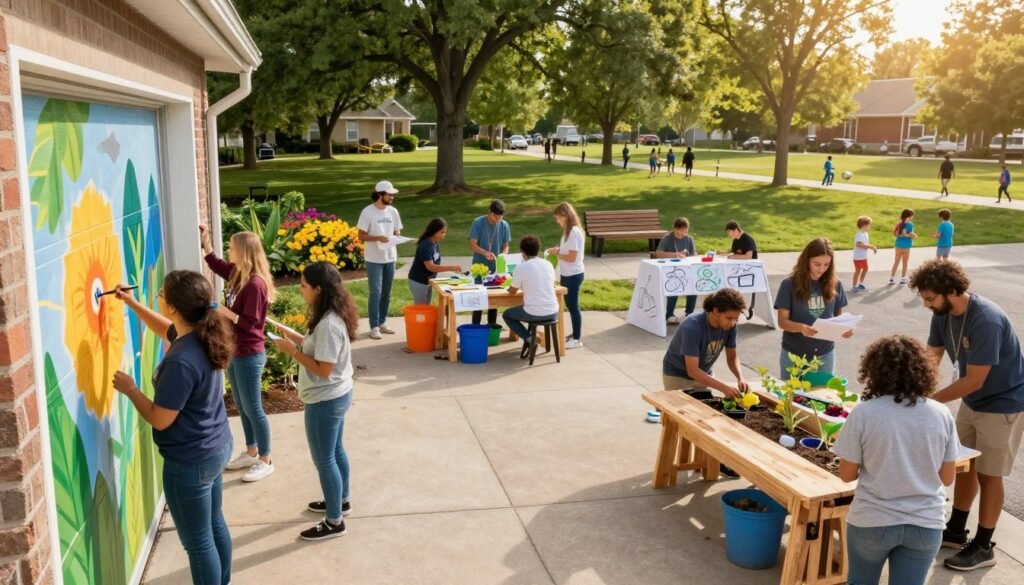
Donation drives offer a straightforward way to help. Residents contribute items like food, clothes, or school supplies.
This direct support aids families during tough times. These efforts provide essential resources to those facing hardship.
Skill-Based Volunteering Projects
Professionals can donate their expertise to local causes. Teaching a class or offering technical support are great examples.
This type of service helps organizations operate more effectively. It leverages unique talents for the common good.
By diversifying the types of support available, every resident can participate. Small, consistent actions lead to a stronger local character and meaningful transformation.
Donation Drive Strategies for Local Impact
Organizing a focused collection effort is one of the most direct ways to create immediate, positive change locally. These drives gather essential resources from residents and channel them to where they are needed most.
School Supplies and Food Drives
Launching a school supplies drive before the academic year starts is a powerful strategy. It ensures every child has the necessary tools for classroom success.
A well-organized food drive provides critical nutrition to families. Coordinating with area food banks maximizes distribution efficiency and local impact.
Animal Shelter and Clothing Donation Drives
Supporting an animal shelter through a collection helps provide food and comfort for pets. This service is vital for animals awaiting adoption.
Clothing drives offer professional attire for job interviews or warm winter gear. They address specific seasonal and economic needs within the neighborhood.
Digital tools can significantly boost these efforts. For example, Hope Active used the Donorbox platform to raise funds for holiday gifts. This shows how online strategies expand reach and support.
Hands-On Community Service Initiatives
The most visible improvements in a local area often come from sweat and teamwork. This type of community service creates immediate, tangible results that everyone can see and enjoy.
Physical Labor and Environmental Cleanup Projects
Clearing litter from a park or riverbank is a powerful form of service. It helps restore natural beauty and supports a more sustainable world, a goal nearly 90% of people share.
Organizations like the Run Far Foundation fund this vital work. They raised over $140,000 for a youth-led project focused on environmental care.
Community Garden and Local Maintenance Efforts
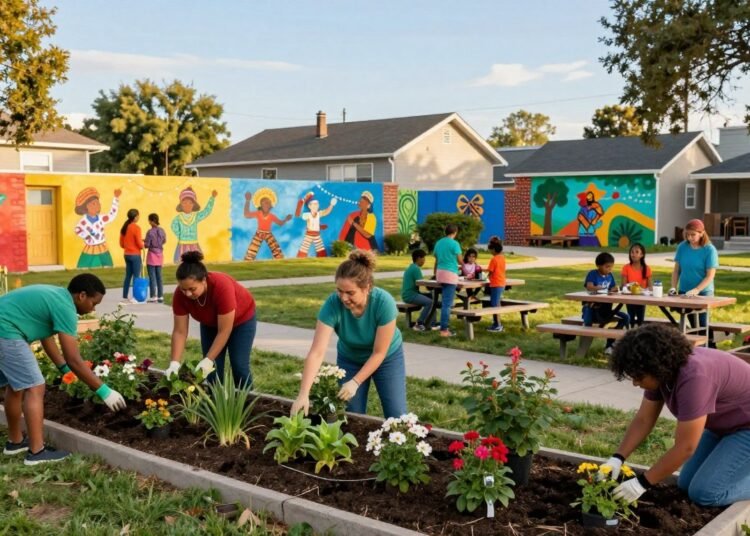
Planting and tending a shared garden is rewarding physical work. It provides fresh food for neighbors and brings people together outdoors.
Volunteers gain a strong sense of accomplishment from seeing their direct impact. These hands-on maintenance efforts keep shared spaces clean, safe, and vibrant for all.
Leveraging Personal Skills for Community Projects
Your professional expertise and personal hobbies hold untapped potential for neighborhood improvement. Sharing what you know is a high-value form of local service.
Teaching, Mentoring, and Creative Workshops
In 2022, each donated volunteer hour was valued at nearly $32. This shows the immense economic benefit of donating professional skills to an organization.
Teaching and mentoring programs let individuals share their expertise. This is vital for helping the over 40% of Americans who planned to start a business that same year.
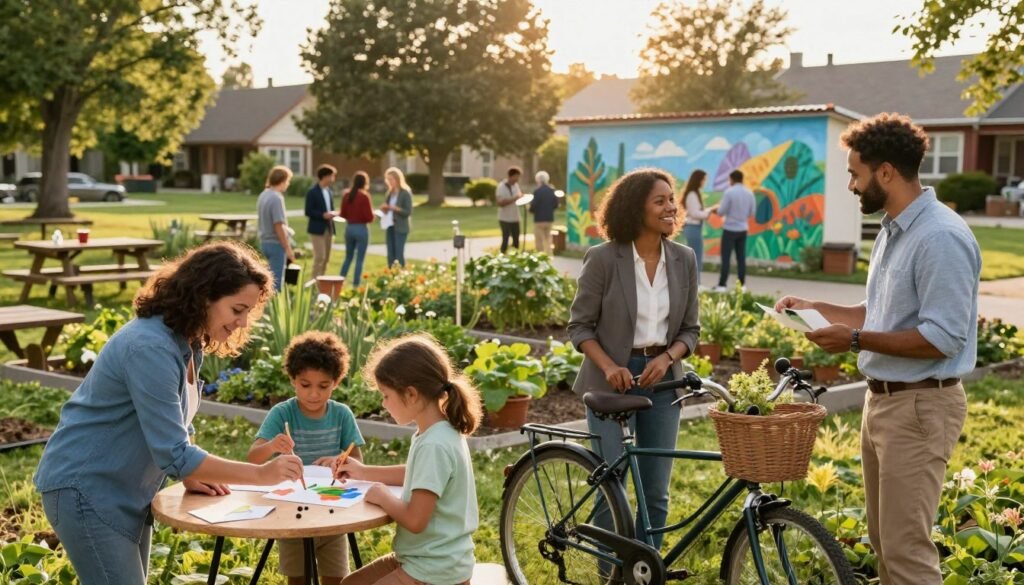
Creative workshops provide a space for residents to learn new hobbies. These classes can range from painting to technical skills in a supportive group setting.
By leveraging personal skills, volunteers provide high-quality services a nonprofit might otherwise afford. These skill-based efforts empower participants to gain confidence and independence.
The lasting positive effect strengthens the entire local area. Your unique talents can drive meaningful change.
Crowdfunding and Event-Based Initiatives for Change
Crowdfunding and event-based strategies offer dynamic ways to mobilize resources and rally people. These methods turn goodwill into the financial support needed for vital local work.
They create accessible pathways for anyone to contribute. This approach ensures that every donation, big or small, fuels meaningful progress.
Virtual and In-Person Fundraising Campaigns
Online platforms have revolutionized how we gather support. Virtual campaigns allow an organization to reach a global audience quickly.
Supporters can contribute from anywhere, making it easier to hit financial goals. The Lisbon Project used this model successfully.
They created a crowdfunding page to fund service work that helps refugees. This digital tool provided essential resources for their adaptation.
In-person activities like charity auctions or bake sales are equally powerful. These gatherings foster a strong sense of connection while raising funds.
They generate the resources needed to assist those facing hardship. Combining both methods maximizes reach and impact.
Celebratory and Milestone-Based Events
Personal milestones present a unique chance to support a cause. Celebratory events like birthdays or anniversaries can be repurposed for good.
Friends and family are often asked to donate instead of giving gifts. This redirects celebration into tangible help for others.
These efforts make philanthropy a part of life’s special moments. They ensure every fundraising campaign makes a significant difference in the neighborhood.
Service Ideas for Diverse Age Groups
A neighborhood thrives when everyone, regardless of age, finds a meaningful way to contribute. The best service ideas are designed to match the abilities and interests of each generation. This ensures maximum participation and a lasting positive effect.
Projects Tailored for Kids and Teens
Simple activities teach young children the value of responsibility. A park clean-up day is a perfect example. Kids learn to care for their local environment through hands-on work.
Teens can take on more leadership roles. They might organize a workshop to upcycle old clothes. Another great idea is a tech tutoring program to help seniors with digital devices.
These efforts give students a strong sense of purpose. They also build essential skills for the future.
Programs for Adults and Seniors
Adults often contribute through professional mentoring or local research. This allows working professionals to donate their unique talents. Their service provides high-quality support that directly benefits others.
Seniors bring a lifetime of experience to the table. Many enjoy intergenerational programs that connect them with younger residents. These initiatives bridge gaps and share valuable knowledge.
By offering age-appropriate opportunities, we make sure everyone has the time and ability to help. This creates a more supportive and resilient local area for all.
Local Best Practices for Successful Community Projects
Organizers can dramatically increase their chances of success by adhering to key operational guidelines. These methods turn good ideas into effective, lasting work.
Effective Planning and Organization
Strong planning is the foundation. It requires clear communication about goals from the start.
Carefully allocating available local resources prevents waste. A well-structured effort ensures every volunteer understands their specific role.
This clarity maintains high energy and participation. It helps people feel their time is used wisely.
Measuring Impact and Community Engagement
Tracking results proves the value of the work. Leaders can show stakeholders the tangible difference made.
This data helps refine future service strategies for better outcomes. Regular updates and feedback loops keep the initiative relevant.
It ensures the effort continues to help the people it was designed for. Following these practices builds sustainable support.
This fosters ongoing growth within the neighborhood. Your dedication creates a framework for real, positive change.
Maximizing Volunteer Impact in Local Events
To create a lasting effect, event organizers must prioritize the experience of those who donate their time. The success of any local gathering hinges on the people who make it run smoothly.
Their sustained involvement is what builds momentum for future efforts. A thoughtful approach to volunteer management yields the greatest positive impact.
Engagement and Retention Strategies
Making helpers feel valued is the first step. Simple gestures of thanks can make a big difference. This appreciation encourages them to return.
Providing clear, meaningful tasks is equally vital. People need to see how their specific role contributes to the event’s success. This direct connection to results fuels their commitment.
Hosting gatherings that are both enjoyable and purposeful is a powerful retention tool. When people have fun while doing good, they are far more likely to sign up again.
Public recognition of contributions builds a loyal base. Effective communication before, during, and after each event keeps everyone informed and connected to the shared mission. This strategy ensures a steady stream of support for ongoing service work.
Conclusion
The journey toward a more supportive local environment begins with a single decision to contribute. We have explored how diverse service ideas can transform neighborhoods.
From organizing a food drive to collecting school supplies, every effort provides essential support. Hosting an animal shelter donation event also makes a significant difference.
By leveraging individual skills and organizational resources, we create sustainable change. This benefits all members of the area.
Whether you are a student, professional, or senior, there is always a way to volunteer your time. Your contribution creates a lasting impact.
We encourage you to start your own initiative. This ensures our localities thrive through collective action and care.
FAQ
What are some simple service ideas to help my local area?
Start with a neighborhood food drive or a school supplies collection. You can also organize a cleanup day at a local park. Partnering with an animal shelter for a donation drive is another great way to gather needed items.
How can I use my personal skills to volunteer?
Offer your expertise directly! You could tutor students, teach a free computer class at the library, or host a financial planning workshop. Many nonprofits need help with graphic design, writing, or website updates.
What are effective strategies for running a donation drive?
Focus on a specific need, like backpacks or canned goods. Promote it clearly through flyers and social media. Partner with a local business as a drop-off point. Organizations like The Salvation Army often have guidelines for successful drives.
Are there hands-on initiatives suitable for a group?
A> Absolutely. Groups can build a community garden, paint a public mural, or assist with home repairs for seniors through programs like Habitat for Humanity. These efforts provide visible, physical improvements.
What types of fundraising events work well?
Both virtual and in-person events can succeed. Consider a peer-to-peer online campaign for a specific cause. A local charity fun run, bake sale, or trivia night are classic in-person options that bring people together.
How can I get kids and teens involved in giving back?
Tailor activities to their interests. Younger kids can make cards for nursing home residents. Teens might organize a used book sale or volunteer at a local food pantry. The key is making it engaging and age-appropriate.
What are the best practices for planning a successful local effort?
Clear planning is essential. Define your goal, set a realistic timeline, and recruit reliable volunteers. Always communicate with local officials if needed. Tracking your results, like pounds of food collected, helps show your impact.
How do I keep volunteers engaged and motivated?
Show appreciation and provide clear instructions. Make sure the work is meaningful and matches their skills. Creating a positive, social atmosphere and sharing stories about how the work helps families in need boosts retention.