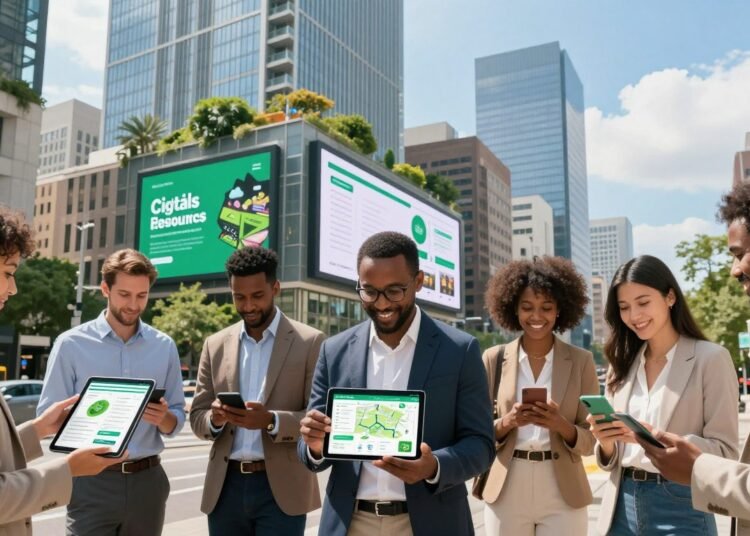
What if your local government could fit in your pocket?
This question is at the heart of a quiet revolution. Digital platforms are reshaping the relationship between people and their leaders. They are making everyday interactions faster, clearer, and more effective.
Today, over 340 million residents interact with these digital solutions. They use them to improve their daily lives. This technology connects the community with essential services and information.
For local government leaders, a unified platform streamlines internal work. It simplifies complex processes. This ensures residents receive the high-quality support they expect.
These tools also handle sensitive data with strong privacy protections. They turn a standard website into a dynamic hub for engagement. This promotes accessibility for all local people.
The future points toward mobile delivery. It is becoming the primary way to send critical updates. This technology is key to building stronger, more resilient neighborhoods.
Key Takeaways
- Digital platforms are transforming how citizens and governments interact.
- Over 340 million residents use these solutions to improve daily life.
- Unified systems streamline internal work for better service delivery.
- Modern tools manage data with strong privacy and security.
- These technologies ensure information is accessible to all community members.
- Mobile delivery is becoming the main channel for critical updates.
- The goal is to build stronger, more connected, and engaged communities.
Understanding Civic Apps and Their Role in Modern Governance
A key shift in public service began with a focus on open data and public participation. This movement transformed standard digital interfaces into tools for active citizenship.
Defining Civic Apps and Digital Solutions
This specialized software is designed to encourage users to participate directly in their government. Its core mission is civic, not just transactional. It turns a standard request system into a platform for dialogue and action.
Historical Context and Evolution of Civic Technology
The modern evolution gained major momentum from two events. In 2008, Vivek Kundra hosted the first open government data hackathon. Developers created 47 unique applications for the public.
Then, on January 20, 2009, President Barack Obama signed the “Memorandum on Transparency and Open Government.” This policy push cemented the importance of public access to information.
These tools help bridge the gap between staff and the people they serve. They provide transparent access to critical municipal data. By focusing on the user experience, platforms can track progress and improve community engagement and trust.
Enhancing Community Engagement Through Digital Platforms
Modern community involvement thrives on clear, instant, and simple interactions between people and their local officials. Digital platforms remove traditional barriers, making every connection more direct and effective.
Unified Resident and Staff Experiences
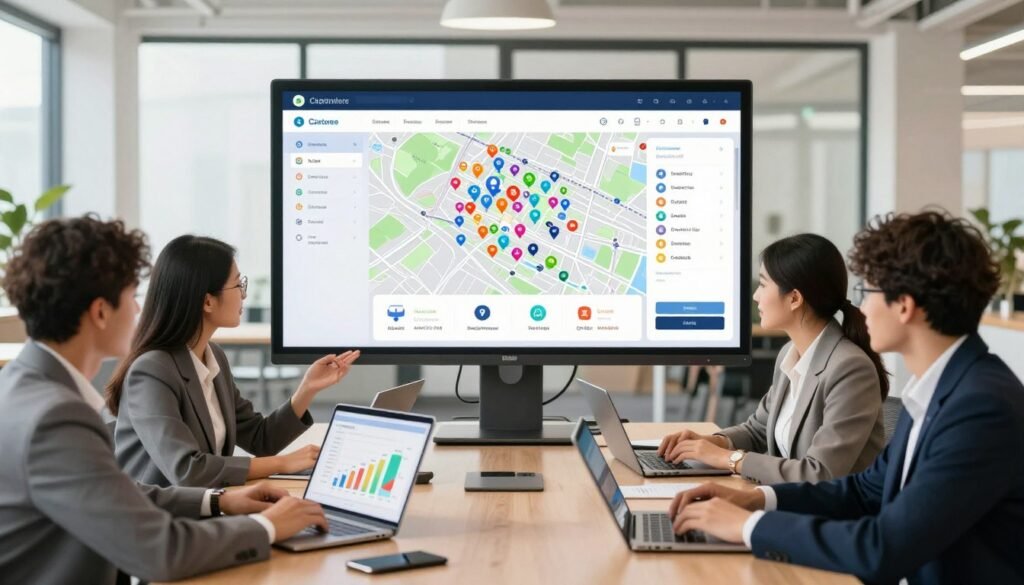
A single point of access changes everything. Residents can check meeting agendas, sign up for alerts, and submit a service request without juggling multiple logins.
This seamless experience is mirrored for government staff. Unified solutions can boost process efficiency by up to 40%. This frees up valuable time for teams to focus on meaningful community engagement instead of administrative tasks.
Real-Time Communication and Service Request Management
Effective communication depends on visibility. When staff can track and manage every request as it happens, residents stay informed.
They receive updates in real time. This transparency builds trust. Centralizing information ensures every user gets consistent, high-quality support.
These tools help people feel heard and valued. They foster a more connected and responsive neighborhood for all users.
Transforming Public Service Delivery Using Technology
Imagine a new local law taking effect almost the moment it’s signed. This is the new reality for public service delivery. Modern technology compresses processes that once took weeks into mere seconds.
Improving Transparency and Response Times
Public information officers can now push new ordinances live in just ten seconds. Automated platforms eliminate the lag of manual publishing.
This speed is matched by greater clarity. Residents can track the status of a service request through a dedicated mobile app. They see real-time updates, which builds confidence.
Automating paper-based tasks lets staff slash time spent on routine work. Teams can then focus on solving problems for the community. The quality of support improves dramatically.
Every user gains access to accurate information. This transparency fosters long-term trust between residents and their government.
Integrated systems manage data efficiently across departments. They create a seamless experience for all users. This meets the high expectations of modern public engagement and communication.
Leveraging Integrated Platforms for Efficient Government Operations
The true power of modern governance lies in breaking down departmental silos through integrated digital systems. These platforms connect every function into a single, streamlined workflow.

Centralizing Access to Municipal Services
Centralization creates one point of access for everyone. For staff, it means logging into one interface to navigate all necessary tools. This simplifies daily government work dramatically.
Solutions like CivicPlus connect all teams and functions. Staff can manage recreation programs and permit submissions through the same software. Leaders can track progress and generate reports in real time.
For residents, a single app provides convenient access to all municipal services. They can find answers, complete tasks, and send communication without hassle. This seamless experience boosts public engagement.
This centralized approach to data management helps leaders make informed decisions. It improves the overall efficiency of government operations for the entire community. Residents get better service and information through advanced technology.
Implementing Civic Apps in Local Governments Within the United States
Implementing technology at the local level requires a dual focus: serving resident demands and following strict legal guidelines. Each municipality has unique needs that digital tools must address effectively.
Adapting to Local Needs and Ensuring Compliance
Local government software must adapt to specific community requirements. Residents might need to report issues like potholes or pay parking fees online. The platform should help with these everyday tasks seamlessly.
Accessibility is crucial for equal access. Solutions like CivicPlus ensure websites meet WCAG 2.1 AA standards. This commitment serves all users, including those with disabilities.
Compliance with regulations like the Freedom of Information Act is simplified through automation. Staff can track annual license renewals and send automatic reminders. Residents gain self-service options for submitting requests.
These practices build public trust through transparent communication. Everyone gets equal access to important information. The user experience becomes consistent and reliable across all services.
Civic Apps: Driving Engaged, Informed Communities
The era of waiting in line at city hall is being replaced by instant mobile access to municipal services. Dedicated applications create a direct channel for community interaction and information sharing.
Mobile Accessibility and Innovative Tools
High-rated municipal applications serve as a primary gateway for residents. These platforms offer extensive customization with hundreds of configurable icons. This allows local governments to maintain consistent branding while serving unique community needs.
The focus on mobile accessibility ensures everyone can participate equally. Residents gain simple tools to find answers and complete tasks from anywhere.
Dynamic Features and Real-Time Alerts for Residents
Modern applications provide comprehensive self-service options. People can manage recreation registrations and search local ordinances directly from their devices.
Integrated systems enable residents to report issues and monitor the response process. Real-time alerts deliver critical updates about emergencies or schedule changes instantly.
These features handle permit applications and payment processing seamlessly. The transparency built through this engagement significantly increases public trust in local government.
Conclusion
Investing in digital infrastructure today is the cornerstone for building a more responsive and informed society tomorrow. These solutions are essential for modern government looking to improve engagement and streamline public service delivery to residents.
Integrated platforms ensure leaders and staff have the tools to manage data, track and report issues, and provide timely updates. This transparency makes information accessible and builds lasting public trust.
As technology evolves, a dedicated mobile app remains the most effective channel to connect with the community. Ultimately, these investments empower residents to participate actively. They help create a more informed and responsive local society for everyone.
FAQ
What exactly are digital platforms for local government?
These are specialized software tools designed to connect people with their municipal administration. They provide a central place for services like reporting problems, paying bills, accessing public data, and getting official alerts. Platforms like SeeClickFix or GovDelivery are common examples that help streamline communication.
How do these tools improve communication between residents and their city?
They create a direct, transparent channel for dialogue. A person can submit a request—like a pothole repair—and then track its status in real-time. This open process builds public trust and gives government staff a clear way to manage, prioritize, and resolve issues efficiently.
Can these technologies make public services faster?
Absolutely. By digitizing and automating processes, these systems significantly cut down response times. Tasks that once required phone calls or office visits, such as applying for permits or licenses, can now be completed online. This speeds up service delivery and improves the experience for everyone involved.
What is the main benefit of a single, integrated platform for city services?
The primary advantage is simplicity and efficiency. Instead of visiting multiple department websites or offices, residents and staff have one secure login to access numerous resources. This centralized approach saves time, reduces confusion, and helps municipal leaders better manage operations and information.
How do local governments adapt these digital solutions to their unique needs?
Successful implementation starts with understanding the specific challenges and goals of the community. Software providers work closely with government leaders to configure tools that comply with local regulations and address priority issues, ensuring the technology serves the people effectively.
Why is mobile access so important for community engagement?
Mobile accessibility ensures that critical information and services are available anytime, anywhere. Features like push notifications for emergency alerts, event reminders, or status updates keep people informed on the go. This convenience fosters a more connected and involved community.