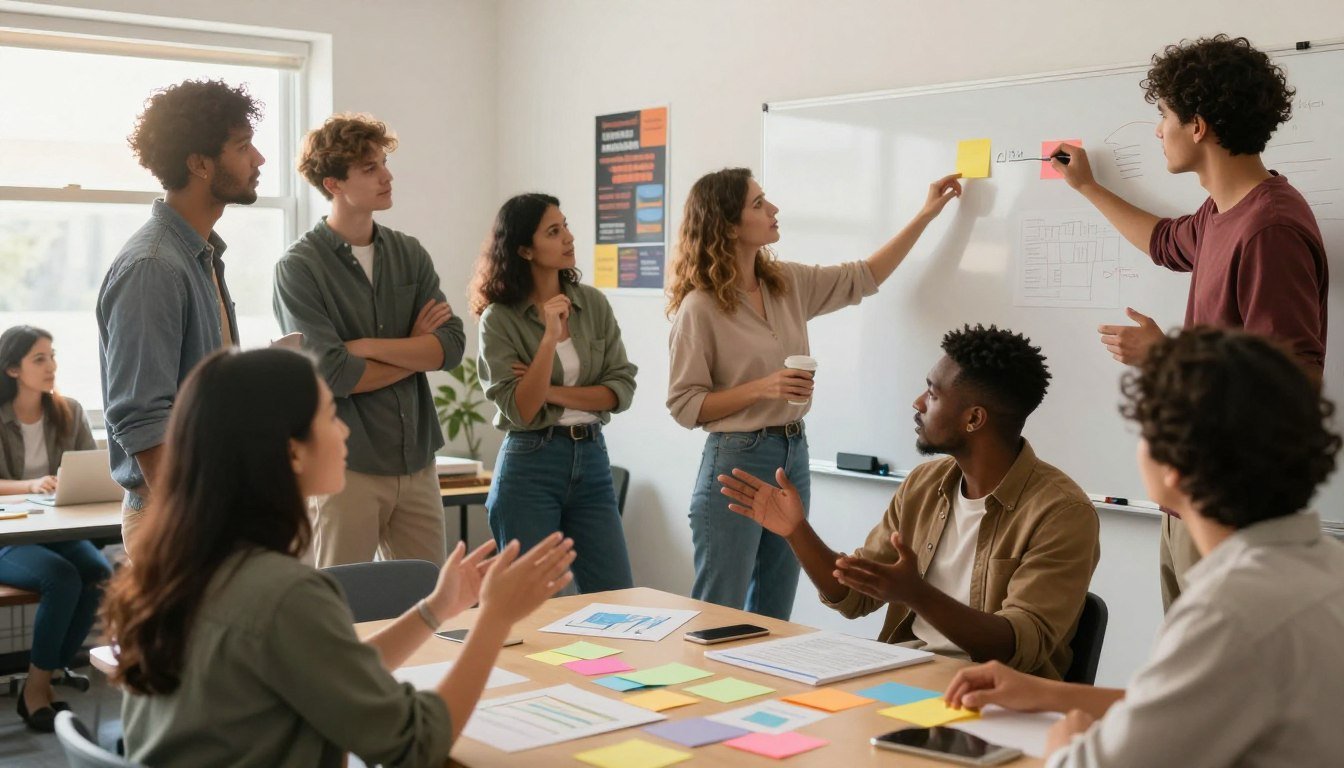
What if the power to improve your neighborhood and life was already in the hands of you and your neighbors?
Many feel local issues are ignored. Yet, when residents unite around a common problem, they form a powerful force. This is the heart of creating social change.
Our guide explores this vital process. It shows how building a strong group can influence key decision-makers in our world.
Understanding a few core principles lets you mobilize people effectively. The goal is to build durable power. This ensures your voice is heard before important choices are final.
We will examine how individual concerns become collective action. This gives you the tools needed to thrive and grow together.
Key Takeaways
- Uniting people around shared problems creates a strong foundation for action.
- Building durable power is essential for influencing important decisions.
- Transforming individual concerns into collective efforts leads to greater impact.
- Understanding core principles helps you mobilize your neighborhood effectively.
- This guide provides practical steps for creating meaningful social change.
- Gaining a seat at the table ensures your group’s needs are considered.
The Fundamentals of Community Organizing
Saul Alinsky’s work from the 1930s onward laid the groundwork for how we mobilize today. His efforts established the social action approach that defines modern efforts.
This method is a deliberate process for creating social change. It focuses on building strength among residents.
Defining Community Organizing
It is not about simple consensus. This process assumes that real change involves struggle.
Conflict is often necessary to generate collective power. The goal is to give a voice to those without influence.
Key Principles Behind Collective Action
Effective work requires a strong group to represent local people. This body must influence decision-makers over time.
Organizers help individuals identify shared problems. They build the durable power needed to challenge old structures.
Understanding these ideas is essential. It moves efforts beyond talk toward tangible, lasting results.
Exploring Different Models of Organizing Community
From faith-based alliances to feminist consciousness-raising, multiple strategies exist for collective empowerment.
Each framework offers a distinct path to build strength and address unequal resource distribution.
Feminist and Faith-Based Approaches
Faith-based organizing unites religious institutions for systemic reform. A classic example is the Industrial Areas Foundation under Edward T. Chambers.
This model leverages existing congregational networks to advocate for change.
Feminist approaches often prioritize a community-building method. They focus on raising awareness to support women’s empowerment within a broader social movement.
Grassroots Versus Broad-Based Strategies
Grassroots strategies employ a bottom-up method. Here, the organizer helps people build power together, avoiding top-down control.
Broad-based organizing includes a wide array of institutions. It moves beyond churches to embrace diverse local interests and groups.
Both models help marginalized populations gain the influence they need to succeed.
Establishing a Vision for Social Change
A powerful vision for social change begins by acknowledging the root causes of inequality in our society. Organizers see that uneven access to resources is a core problem. This recognition is the essential first step.
Setting Clear Goals
Specific goals give your group a target. They focus collective energy on achievable outcomes. Every action then builds toward broader empowerment for the people involved.
Defining clear objectives is a practical process. It turns a general desire for improvement into a step-by-step plan. This clarity is crucial for mobilizing residents effectively.
Aligning Vision With Community Needs
Your vision must connect to the real needs of local people. Listening is key. This alignment ensures your efforts stay relevant and gain strong support.
True empowerment starts by admitting that power gaps exist. These gaps affect daily life. A shared vision addresses these specific challenges directly.
Strategies for Mobilization and Relational Organizing
Mobilizing a neighborhood starts not with a crowd, but with a conversation. Turning a shared vision into action requires a deliberate process of building trust and strong relationships among residents.
One-to-One Interviews and House Meetings
One-to-one interviews are a fundamental tool for every effective organizer. They help you understand local needs and spot potential leaders.
Fred Ross pioneered the house meeting approach. This technique was used by the Community Service Organization and Cesar Chavez to build powerful local networks. It gathers people in a familiar setting to discuss shared concerns.
Facilitating Relationship Building
Tom Gaudette and Shel Trapp developed block-club organizing. This method focuses on connecting neighbors on a single street.
Facilitating these connections helps members enhance their collaborative skills. This is key for handling conflict and strengthening engagement.
Investing time in these relational strategies builds the social capital needed to sustain your efforts. It creates the durable power for long-term success.
Utilizing Social Media and Digital Tools for Outreach
Effective outreach now requires a dual strategy. It blends powerful digital tools with time-tested personal connection.
Best Practices for Online Engagement
Platforms like Facebook and Twitter are vital for sharing information quickly. Use them to recruit new members and keep a diverse group engaged.
Regular updates build momentum. They help maintain commitment across your network.
These digital resources are excellent for broadcasting your message. However, they cannot replace the deep trust built in person.
Face-to-face relationships form the true backbone of strong collective power.
Be strategic with your time. Groups like ACORN USA showed how a centralized agenda can boost local impact.
As a 501(c)4 organization, ACORN combined national goals with grassroots work. This model maximized their political reach.
Your digital plan should support, not replace, connecting with people. This balanced approach ensures your voice is heard by those who need it most.
Building Inclusive and Diverse Community Groups
Inclusion isn’t just a moral goal; it’s a strategic necessity for lasting impact. A strong movement draws its power from the varied voices and backgrounds of its members.
Building effective groups requires a conscious effort. You must break down racial and gendered boundaries that often divide potential allies.
Feminist organizers encourage sharing personal stories in safe spaces. This practice forms a deep sense of interconnectedness and trust vital for the work.
By creating diverse groups, you ensure your movement represents all local interests. It moves beyond serving just a privileged few.
Inclusive decision-making processes empower every individual to have a voice. This prevents reliance on a small number of leaders.
When you prioritize diversity, you strengthen the collective power of your organization. This makes the entire network more resilient against external challenges.
Harnessing the Power of Direct Action and Tactical Methods
Beyond meetings and petitions, there exists a vast toolkit of nonviolent methods designed to apply pressure effectively. Researchers have cataloged 198 distinct tactics for direct action. These range from classic protests to creative public displays.
This variety provides a strategic advantage. Groups can select the approach that best fits their specific goal and context.
Picketing, Sit-Ins, and Boycotts
Classic methods like picketing, sit-ins, and boycotts remain powerful. They physically and economically disrupt normal operations.
This disruption forces institutional decision-makers to pay attention. Choosing the right issue is key. It often generates the necessary controversy to spotlight injustice.
These actions help a group build a reputation for advancing local justice. They show a commitment to tangible results.
Engaging in Public Demonstrations
Public demonstrations are among the most visible ways to take action. A march or rally draws immediate attention to local issues.
This visibility does more than inform outsiders. It builds deep commitment and solidarity among the participants themselves.
Mastering a variety of tactical methods keeps your movement dynamic. It ensures you can respond to changing political landscapes and demonstrate undeniable strength.
Key Strategies for Effective community organizing
Scholars Shane R. Brady and Mary Katherine O’Connor have worked to frame this field as a distinct professional practice. Their model provides a clear starting point for general strategy.
Every successful effort needs a sharp, actionable goal. This focus ensures all work contributes to the long-term empowerment of local residents.
Developing the skills to analyze power dynamics is essential. Organizers must understand how local systems operate to navigate them successfully.
A strong strategy often involves building broad coalitions. Groups like People’s Action show how alliances amplify the voice of ordinary people.
Integrating these approaches creates a robust framework. It allows your community to act effectively on many issues.
Cultivating Leadership and Empowering New Organizers
To build lasting power, groups must invest in cultivating talent from within their own ranks. This ensures the effort continues long after the initial founders step away. The focus shifts from managing tasks to developing the individuals who will carry the vision forward.
Developing Local Leaders
Prioritizing new local leaders is the only way to guarantee long-term sustainability. An effective organizer works alongside residents, helping them build confidence and skills. This creates a strong foundation for future campaigns.
True development empowers people to take ownership of their work. It moves beyond staff-directed models. The goal is to foster self-reliance within the group itself.
Capacity Building Techniques
Capacity building provides the necessary resources and training. It helps individuals take on more responsibility within their own organizations. This involves teaching practical skills like facilitation and strategic planning.
Investing time in mentoring creates a pipeline of talent. These new advocates can guide the community through future challenges. This process distributes power more equally among members.
When you cultivate local leaders, you ensure the group remains the primary driver of its own social change. This is the essence of sustainable organizing.
Asset-Based Community Development Techniques
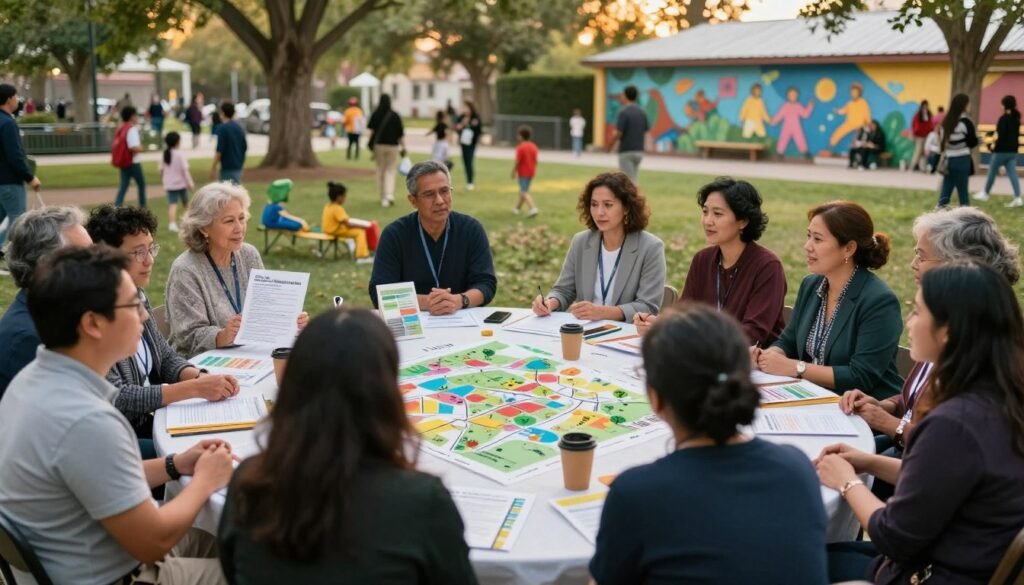
A powerful shift in perspective focuses on what a group already has, not what it lacks. This is the core of Asset-Based Community Development (ABCD). Lesson 8 of Longo 2023 serves as a practical guide for this strength-focused approach.
Identifying and Leveraging Community Assets
ABCD encourages you to map local strengths. Look at the skills, talents, and resources already present among your neighbors.
This mapping finds new ways for people to collaborate. It builds your group’s capacity to tackle public issues.
This method is a valuable partner to traditional organizing. It helps people appreciate the things they already possess to drive change.
Leveraging local resources grounds your development work in reality. This makes efforts more sustainable and effective over the long term.
It builds durable power from within. This ensures your organizing is truly owned by those it serves.
Navigating Challenges and Conflict Resolution in Organizing
Handling internal disputes skillfully can transform a group’s challenges into its greatest assets. Disagreement is a natural part of any effort to shift existing power structures. Navigating these hurdles is a constant part of the work.
Developing strong collaborative skills lets members maintain their relationships. They can disagree on tactics without breaking their bond. This ability is vital for long-term success.
Effective organizing requires finding ways to facilitate productive dialogue. Leaders must ensure debates do not derail progress over time. This keeps the movement moving forward.
Viewing conflict as a chance for growth strengthens the whole group. It prepares people for more difficult battles ahead. Patience and a commitment to the collective are essential.
This approach ensures the community stays united in its pursuit of change. Strong social relationships are the bedrock of this resilience.
Understanding Intersectionality in Community Movements
Historically, marginalized groups have forged their own paths when excluded from mainstream efforts. The National Association of Colored Women, founded in 1896, is a powerful example. It was created because Black women were often shut out of other social movements.
This idea connects to intersectionality. It shows how different forms of oppression, like racism and sexism, can overlap. Understanding this is crucial for any modern effort.
Addressing Gender and Racial Equity
True equity means tackling these overlapping challenges together. A movement must see how gender and race shape a person’s experience. This creates more powerful and authentic campaigns.
By centering those most affected, you build a stronger foundation. This approach leads to deep, systemic change for everyone involved.
Inclusive Decision-Making Processes
Creating inclusive spaces is essential. It ensures all voices are heard, especially from historically excluded people. This process builds trust within your groups.
Good organizing requires shared power in decision-making. When everyone contributes, the entire community benefits. Your movements become more resilient and effective.
Case Studies and Real-World Examples
The Education Justice Campaign by the Center for Popular Democracy stands as a modern case study. Researchers Dmitri Holtzman, Ben Kirshner, and Tafadzwa Tivaringe documented this effort. It offers a real-world example of multigenerational organizing.
Learning from Historical Movements
Studying past movements shows how leaders navigated a complex world. You can see the strategies that achieved significant social change. This historical insight is invaluable for current work.
Every case study provides a unique blueprint. It shows how tactics like coalition building can be adapted. This allows you to fit strategies to your local community needs.
By analyzing the work of others, you avoid common pitfalls. You can identify the most effective ways to build power. This practical learning accelerates your own efforts.
These real-world examples prove a key point. Persistent effort leads to meaningful victories for the people involved. Past movements inspire and guide today’s action.
Incorporating Academic Insights and Social Science Research
Grounding your work in social science can transform how you approach building local power. It connects proven research with real-world action for greater impact.
This fusion of theory and practice offers a robust guide for lasting change. It helps you avoid common pitfalls and build on what truly works.
Leveraging Scholarly Resources
Academic studies provide a testing ground for new ideas. You can refine your strategies based on evidence, not just intuition.
Nobel laureate Elinor Ostrom showed how groups manage shared resources. Her design principles highlight clear rules and inclusive decision-making.
Using such research strengthens your collective efforts. It gives you a solid foundation to advocate for local people.
Integrating Theoretical Frameworks
Theories help you understand how social systems function over time. They explain the dynamics of influence and conflict.
Applying these frameworks makes your campaigns more sophisticated. You learn to navigate complex power structures effectively.
This intellectual grounding ensures your organization remains democratic and accessible. It turns abstract ideas into practical tools for empowerment.
Practical Steps for Getting Involved Within Your Community
Everyday Democracy provides a clear roadmap for residents who want to start making a difference together. Their guide, “Connecting Public Dialogue to Action and Change,” offers a structured path forward.
The first step to get involved is identifying a steering group. This team begins the essential work of planning and recruitment within community networks.
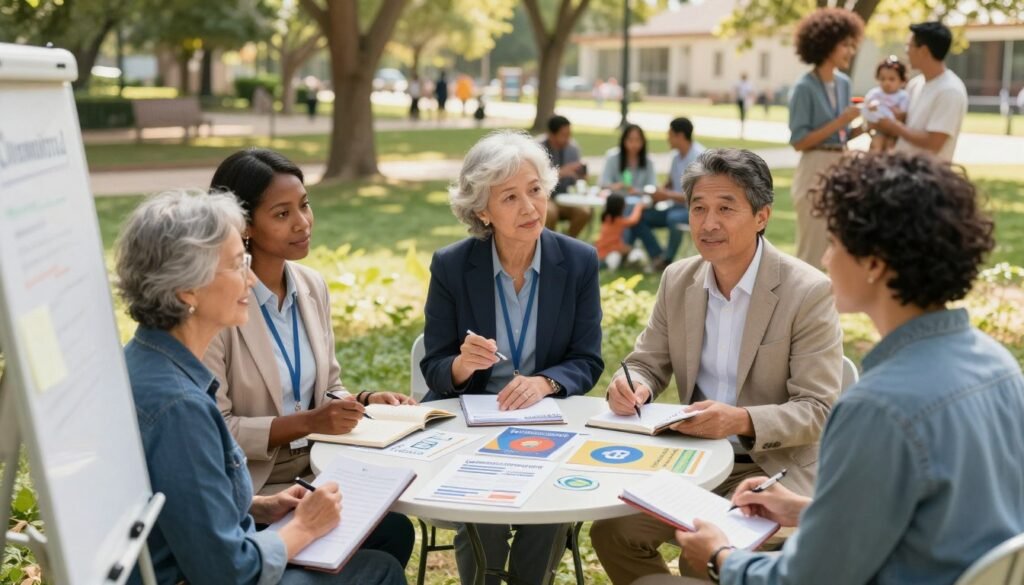
You can get involved by attending house meetings. Participating in one-to-one interviews also helps you learn what matters to your neighbors.
Working in local groups builds relationships and social capital. This is necessary to influence decision-makers and demand real change.
By taking these steps, you contribute to the collective power of your area. You help ensure your voice is heard in the public sphere.
Conclusion
Transforming local conditions requires more than good intentions. It demands strategic action and united effort. This guide has provided essential methods for creating lasting social change.
From building relationships to taking direct action, these strategies empower local people. They help you build durable power over time through persistent organizing.
Remember, this work is a long-term process. It needs patience and a commitment to developing new leaders within your community.
By applying these ways and staying focused on shared goals, you can overcome obstacles. Your efforts will make a meaningful impact on the world around you.
Take the things you have learned and start today. Together, you can build a more just and equitable society for everyone.
FAQ
What are the core principles of collective action?
The core principles center on building people power through strong relationships. This work focuses on shared goals, developing local leaders, and taking strategic steps. It’s about uniting individuals around a common purpose to create tangible social change.
How is a grassroots strategy different from a broad-based one?
A grassroots strategy starts with individuals and small groups at the local level, building power from the ground up. A broad-based approach often involves larger coalitions of existing institutions, like churches or unions, working together. Both aim to mobilize people, but they begin from different points.
What is the best way to start getting involved locally?
Begin by connecting with existing efforts. Attend a public meeting for a cause you care about, follow local advocacy groups on social media, or volunteer your time. Listening first helps you understand the needs and dynamics before taking a more active role.
Why are one-to-one conversations so important in this work?
Personal conversations are the foundation for trust and mutual understanding. They help organizers learn about people’s motivations, concerns, and skills. This relational approach turns a list of contacts into a committed network ready for action.
How can digital tools effectively support outreach efforts?
Platforms like Facebook and Instagram are great for spreading information and rallying support for events. Best practices include sharing compelling stories, using event pages, and fostering two-way dialogue. Online efforts should always complement, not replace, face-to-face relationship building.
What does ‘asset-based development’ mean for a neighborhood?
This technique focuses on identifying and leveraging existing strengths within a place—like the skills of residents, local associations, or physical spaces. Instead of focusing only on problems, it builds upon the positive resources already present to drive development.
How do successful movements handle internal conflict?
Healthy groups anticipate disagreement and create clear processes for resolution. This often involves active listening, mediating discussions, and keeping the shared vision at the forefront. Managing conflict constructively is key to maintaining group cohesion and power.