
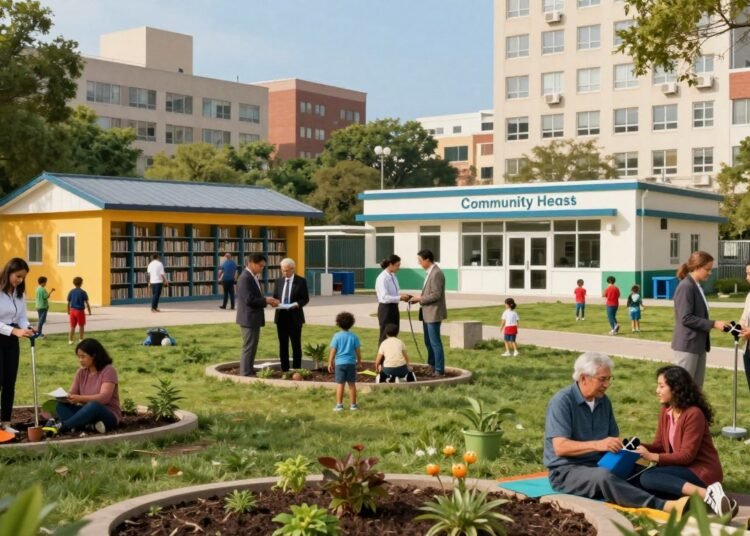
What if the most vital support systems in your life are ones you rarely think about?
Every day, a vast network of programs and resources operates quietly in the background. This government infrastructure is designed for a single purpose: to ensure the well-being and safety of every citizen.
Consider the National Park System. It preserves millions of acres for recreation, conservation, and learning. This is just one visible example of a much larger commitment.
These systems provide fundamental support for our local communities. They work to meet public need, not to generate profit. The goal is to give everyone access to essential resources.
By understanding this scope, we can better appreciate the quiet, essential work performed daily. This article explores how these functions operate to enhance quality of life for all.
Key Takeaways
- Public services are essential programs provided by the government for citizen well-being.
- Millions of acres are preserved for recreation and education through systems like the National Parks.
- These vital resources support daily health and safety in communities nationwide.
- They operate on a principle of meeting public needs, not generating profit.
- Understanding their scope helps us appreciate the work of dedicated public servants.
- From cities to rural areas, these programs enhance quality of life for everyone.
Understanding Public Services and Their Impact
A recent Pew Research survey shows that 80% of respondents support a major government role in responding to natural disasters. This highlights the critical value placed on these essential services.
What Are Public Services?
This field includes government agencies and nonprofit organizations. It encompasses a vast range of careers, from police officers to social workers. They deliver fundamental resources like public education and waste management.
Essential Functions and Community Examples
Firefighters, police officers, and EMS teams are primary examples. They provide immediate safety and response. These programs are funded by taxpayer dollars at local, state, and federal levels.
This funding ensures equitable access to resources for all citizens. It supports daily health and safety across our towns and cities.
Long-term Community Benefits
Investments here yield lasting advantages. Communities gain improved infrastructure and protected public lands.
These assets are vital for the long-term health and safety of diverse populations. They support a higher quality of life for future generations.
Career Opportunities and Growth in Public Service
The landscape of professional opportunities in the public sector is vast, spanning from emergency response to educational leadership. This field offers a unique chance to build a meaningful career while contributing directly to community well-being.

Exploring Diverse Career Paths
Numerous job options exist for those called to serve. You can pursue roles in criminal justice, fire science, or public administration.
These careers allow professionals and students to make a measurable difference. Government agencies and nonprofit organizations need skilled individuals.
Benefits of Stability and Professional Development
These careers offer strong stability and competitive wages. A key benefit is the Public Service Loan Forgiveness (PSLF) program. It forgives student loan debt after ten years of qualifying payments.
Institutions like UT Permian Basin support growth through flexible online degrees. Their Master of Public Administration (MPA) helps advance your skills.
Many agencies prioritize employee development with specialized training. This prepares you for leadership positions in complex program management.
Driving Community Change and Enhancing Lives
From combating cybercrime to ensuring fair access, modern challenges require innovative approaches from committed professionals. This work is the core engine of societal progress, directly shaping our daily experiences and future security.
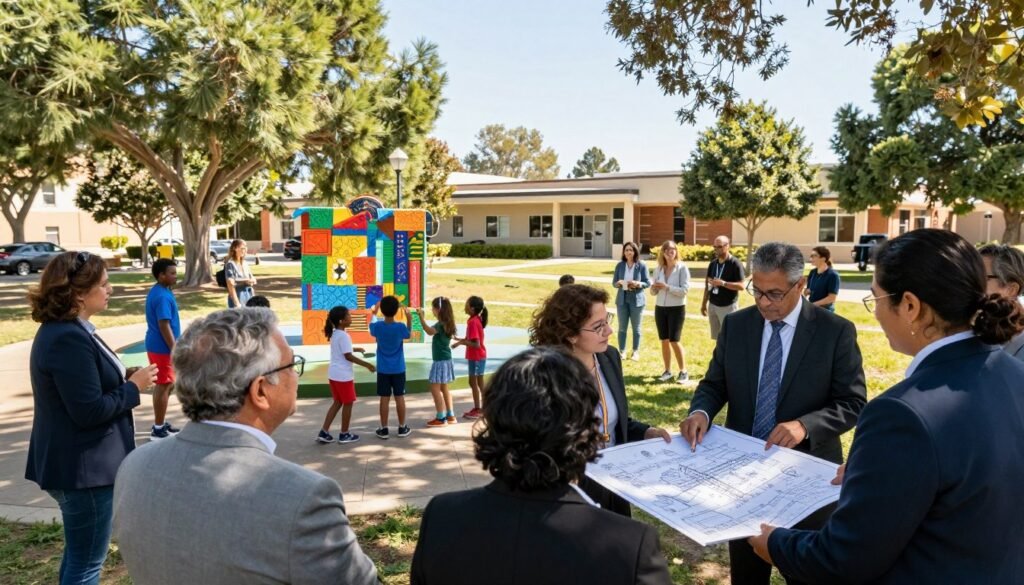
Improving Quality of Life and Access to Resources
Lasting change often starts with policy. Landmark legislation like the Civil Rights Act of 1964 ended discrimination in shared spaces. It set a powerful precedent for equity.
Today, dedicated servants use tools like big data to redesign city infrastructure. Better bus routes and smarter utilities directly uplift urban living standards. This focus on equitable access is a fundamental goal.
Innovations in Public Policy and Administration
Evolving threats demand new tactics. A stark example is the digital landscape, where 6,900 cyberattacks occur every second against major platforms.
Law enforcement and government agencies must constantly adapt. This need fuels innovation in public policy and administration.
As former U.S. Comptroller General David M. Walker stated, public service provides a chance to make people’s lives better. Careers in this sector allow professionals to influence social change and protect vulnerable groups.
Advanced degree programs in fields like criminal justice and public administration prepare students to lead. They gain the skills needed for complex management and organizational challenges in nonprofit and government organizations.
Conclusion
Choosing a path of service offers more than just a job; it provides a chance to shape the future. This work is a cornerstone of a functioning society. It delivers the essential programs citizens rely on every day.
By pursuing a career in this sector, individuals contribute to meaningful change. They enjoy the stability offered by government roles. Whether in administration or direct community work, opportunities to improve lives are vast and deeply rewarding.
Education plays a vital role. It prepares students to tackle complex challenges like policy reform and infrastructure management. Advanced degree programs develop critical skills for leadership.
As we look forward, the commitment to upholding the law and serving the public interest will continue to define our nation’s strength. Choosing to enter this field is a powerful way to ensure our communities remain safe, equitable, and prosperous for generations.
FAQ
What types of career paths exist within government and nonprofit organizations?
Many options are available across federal, state, and local governments. You can work in urban planning, environmental protection, social work, or healthcare administration. Nonprofits like the American Red Cross or Feeding America also offer roles focused on community development and direct aid. These positions allow you to apply your skills toward meaningful change.
How does working in this sector contribute to community improvement?
Professionals in these roles directly enhance daily life. They ensure clean water, safe neighborhoods, and accessible parks. By developing and managing programs, they help provide education, healthcare, and support to those in need. This work builds stronger, more resilient communities for everyone.
What are the professional benefits of a government or nonprofit career?
These careers often provide strong job security, competitive benefits, and clear paths for advancement. Many organizations invest in their employees through training programs and tuition assistance. You can gain valuable experience in program management, policy analysis, and leadership while serving a greater good.
Can a degree in criminal justice or administration lead to work beyond law enforcement?
Absolutely. A degree in these fields opens doors to various roles. Graduates can work in court administration, youth rehabilitation, policy analysis for agencies like the Department of Justice, or compliance for nonprofit organizations. The skills are transferable to many areas focused on justice and community welfare.
How is technology changing work in government agencies?
Innovation is key. Agencies are using data analytics to improve resource allocation and digital platforms to make services more accessible. For example, online portals streamline benefit applications. This modern approach increases efficiency and expands citizen access to vital programs and information.