What if you could experience a country with ancient history and cutting-edge technology without draining your savings? Many people assume that life in a major global power comes with a hefty price tag, but the reality in this vast nation might surprise you.
Recent data reveals that overall expenses here are, on average, 45% lower than in the United States. This affordability opens up incredible opportunities for expats, students, and remote workers. From bustling megacities to serene inland towns, the financial landscape is as diverse as the country itself.
This guide provides a detailed breakdown of what to expect. We cover everything from housing and groceries to transportation and healthcare. You will get a clear picture of monthly budgets for singles and families, based on reliable, up-to-date information.
Key Takeaways
- Overall expenses are significantly lower compared to many Western countries.
- Housing costs, including rent, represent one of the largest savings.
- The financial experience varies greatly between major metropolitan areas and smaller cities.
- Accurate data is essential for effective financial planning before a move.
- The blend of ancient culture and modern convenience creates a unique lifestyle.
Introduction to Cost of Living in China
Understanding monthly expenditures is crucial when considering relocation to this diverse Asian nation. This comprehensive resource provides the detailed financial information needed for effective planning.
Purpose and Scope of the Guide
Our goal is to deliver a complete overview of routine financial requirements. We cover housing, food, transportation, healthcare, and entertainment across different regions.
All price data comes from Numbeo, converted to U.S. dollars for easy comparison. This information helps you create realistic budgets.
Who Should Use This Guide
This resource serves multiple audiences effectively. Expats, digital nomads, students, and retirees will find valuable insights here.
The guide compares major metropolitan areas with smaller cities. This helps you choose locations that match your financial situation.
Both short-term visitors and long-term residents benefit from our detailed breakdowns. You’ll understand recurring monthly expenses and one-time setup costs.
Overview of China’s Economic Landscape and Cultural Heritage
With over 3,500 years of recorded history, China presents a fascinating blend of cultural heritage and rapid modernization. This vast country has contributed countless innovations to global civilization while evolving into an economic powerhouse.
Historical Significance and Modern Progress
China’s historical legacy includes revolutionary inventions like paper money and fireworks. Traditional practices continue alongside cutting-edge technological developments throughout the country.
The nation’s geography creates dramatic regional variations. Western areas feature deserts and mountain ranges, while eastern cities developed along ancient trade routes.
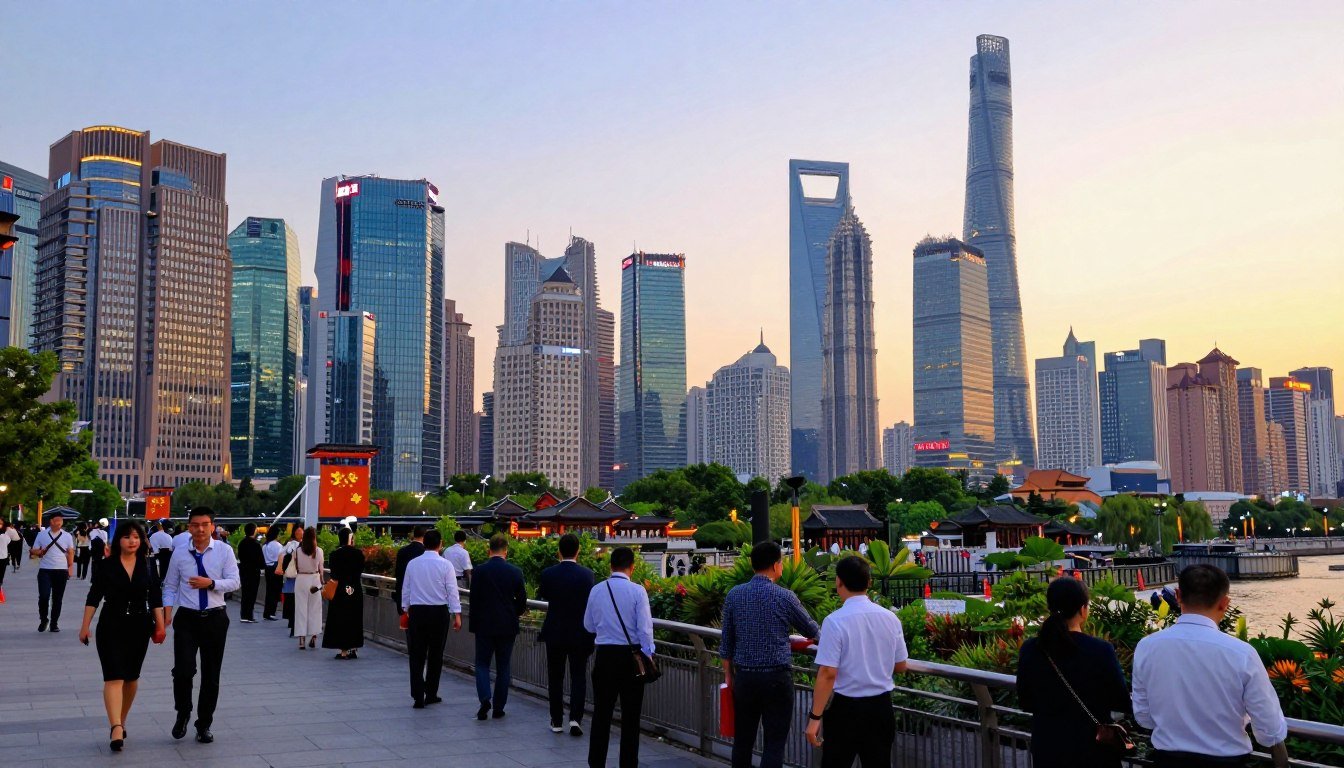
Modern urbanization has transformed major metropolitan centers. These cities now boast impressive skyscrapers and advanced infrastructure networks.
Current economic data shows significant growth in coastal regions. Tech manufacturing hubs create abundant opportunities for skilled professionals across various cities.
This unique combination of ancient traditions and contemporary progress defines daily life. Residents experience both historic temples and modern amenities within the same urban environments.
Understanding Housing Costs and the Rental Market
Housing expenses typically consume the largest portion of monthly budgets for residents across Chinese cities. The variation between different urban centers is dramatic, requiring careful consideration.
Major Cities: Shanghai, Beijing, and Beyond
Shanghai commands the highest housing costs in the country. A one-bedroom apartment in the city center ranges from $1,025 to $1,252 monthly.
Beijing follows closely with similar pricing. Rent in both these major cities remains more than 60% lower than comparable Western metropolitan areas.
More affordable options exist in cities like Chengdu and Hangzhou. Here, a one-bedroom apartment in the center costs 40-50% less than Shanghai.
Apartments dominate the urban landscape due to high population density. Stand-alone houses are primarily available in rural areas.
Strategies for Finding the Right Home
Foreigners can utilize housing agent services through platforms like WeChat. These professionals help find accommodations meeting Western standards.
Consider coliving spaces popular among digital nomads. Traditional hutong rooms offer cultural immersion in Beijing.
Location significantly impacts rent prices. Proximity to metro stations and international communities commands premium rates.
Remember that rental costs typically exclude utilities. Budget an additional $40-$77 monthly for these expenses.
Monthly Living Expenses: Food, Utilities, and Groceries
Beyond housing, your monthly spending on essentials like groceries and utilities forms a significant part of your budget. These routine expenses vary by city but generally remain affordable compared to Western standards.

Utility bills for a standard apartment typically range from $41 to $77 monthly. This covers electricity, heating, cooling, water, and garbage services. Northern cities may see higher heating costs in winter.
Comparing Eating Out and Cooking at Home
Dining out offers exceptional value throughout the country. A complete meal at a local restaurant costs just $4-$5 on average. This makes eating out often more affordable than cooking elaborate meals at home.
Street food breakfasts run about $1.50, with satisfying lunches available for $3-$6. Mid-range restaurant dinners typically cost $7-$12 per person. These food prices make social dining accessible.
Grocery shopping reveals significant price differences. Local staples like rice and vegetables are very cheap. Imported products and dairy items command premium prices.
A monthly grocery budget of $150-$250 works for one person using local ingredients. Those preferring Western imports may spend double. Traditional markets offer better value than supermarkets.
Transportation Costs and Options Across China
Getting around in China is a highlight for many residents, with options ranging from high-tech bullet trains to ubiquitous shared bikes. The country’s investment in infrastructure has created a network that is both extensive and economical.
These transport services keep daily commuting and intercity travel affordable for everyone.
Public Transport and High-Speed Rail
Metro systems in major cities like Shanghai and Beijing are modern and efficient. A single trip often costs less than one dollar.
Monthly passes for unlimited bus and metro rides are available for around $24 to $30. This makes daily travel incredibly cheap.
For longer journeys, China’s high-speed rail network is unbeatable. Bullet trains connect major urban centers quickly and comfortably.
A ticket from Beijing to Hong Kong costs approximately $140 to $175. Shorter routes between cities like Shanghai and Hangzhou are even more affordable.
Taxis and ride-hailing apps like Didi offer convenient door-to-door service. Standard urban rides typically cost between $3 and $5.
For the last mile, shared bikes and e-scooters are popular. Rides cost just pennies, making them ideal for short trips.
Healthcare Expenses and Insurance Considerations
Navigating the healthcare system is a vital part of settling into any new country. The quality and price of medical services can differ greatly between public and private facilities.
This knowledge helps you make smart choices for your well-being and finances.
Public versus Private Healthcare Options
Public hospitals provide very affordable basic care. A general consultation often costs between $10 and $25.
However, these facilities may have long wait times. They might also lack English-speaking staff.
Private hospitals and international clinics offer a different experience. You get English-speaking doctors and modern facilities.
The trade-off is higher prices. A visit can range from $35 to $60.
For serious procedures, the expenses can be substantial. A minor surgery might cost thousands of dollars without coverage.
International health insurance is strongly recommended for expats. A good plan protects you from large, unexpected medical bills.
Basic coverage starts around $60-$90 monthly. Comprehensive plans cost more but offer greater peace of mind.
Major providers like Cigna and Allianz Care offer suitable plans. Always secure a policy before you need to use it.
Education and Childcare Costs for Expats and Locals
Schooling options present a complex landscape of pricing and quality that varies dramatically across different regions. Families must carefully evaluate their educational priorities against financial realities.
Public education is free for grades one through nine for local residents. However, international students face additional requirements including entrance exams and documentation.
International Schools vs. Local Institutions
International primary schools charge substantial annual tuition ranging from $20,029 to $24,480 per child. These institutions offer English-language instruction and familiar curricula like IB or American systems.
Most expat families prefer international schools found primarily in major urban centers. The quality of public education differs significantly between developed cities and rural areas.
Full-day private preschool programs average $549 to $671 per month. Additional expenses for uniforms, supplies, and activities can add several hundred dollars to family budgets monthly.
Bilingual schools provide a middle-ground option with moderate tuition costs. Families should prioritize educational needs when selecting which city to call home.
Entertainment, Leisure, and Lifestyle Expenses
Enjoying a vibrant social life doesn’t require breaking the bank in China’s diverse urban centers. The country offers an impressive range of affordable entertainment options that cater to all interests and budgets.

Fitness enthusiasts can maintain their routines with monthly gym memberships averaging $38-$47. This provides excellent value compared to Western fitness center prices.
Cultural Experiences and Affordable Activities
Nightlife and socializing remain remarkably budget-friendly. A pint of domestic beer costs just over a dollar, while cinema tickets run $6-$8.
Major attractions like the Great Wall charge reasonable entry fees around $6.50. Many significant cultural sites offer completely free admission.
Public parks, art districts, and historic temple grounds provide no-cost leisure opportunities. These spaces showcase daily life and traditional practices.
Karaoke bars and night markets deliver authentic experiences at minimal prices. Street food vendors offer delicious meals for just a few dollars.
Entertainment costs do vary between major metropolitan areas and smaller cities. However, overall lifestyle expenses remain very manageable for residents.
Comparing Urban and Rural Living Costs
Choosing between metropolitan centers and countryside locations involves weighing distinct financial advantages. Major urban hubs command premium prices while rural regions offer significant savings.
Urban centers provide concentrated access to international communities and English-speaking services. These areas feature modern amenities, Western stores, and abundant employment opportunities.
Rural locations deliver substantial cost reductions of 30-50% compared to major cities. Housing expenses show the most dramatic difference, with rent often half or less than Beijing or Shanghai prices.
Mid-sized urban centers like Chengdu and Qingdao strike an excellent balance. They offer modern facilities with expenses around 40% lower than top-tier metropolitan areas.
The decision ultimately depends on individual priorities regarding budget versus accessibility. Each option presents unique advantages for different lifestyles and financial situations.
Regional Differences and Data Insights on Prices
Data-driven comparisons between cities highlight substantial disparities in routine expenses and housing affordability. The financial landscape varies dramatically across different urban centers throughout the country.
City-to-City Comparisons
Recent indices reveal clear patterns in urban expenditure levels. Shanghai shows a Cost of Living Index of 55.94, while Beijing registers 55.19.
Shenzhen follows closely at 56.05. More affordable options exist in cities like Chengdu (46.17) and Wuhan (45.15).
Rent indices demonstrate even greater variation. Beijing’s 45.42 nearly triples Chongqing’s 14.55. Location choice significantly impacts housing costs in any city center.
Impact of Geographic Diversity on Living Expenses
Coastal provinces command higher prices due to economic development and international trade access. Eastern areas like Guangdong and Zhejiang show elevated costs.
Interior provinces offer substantial savings with lower housing prices and reduced service demand. Climate factors and proximity to ports further influence expenses depending on location.
Within provinces, capital cities typically show 20-30% higher prices than smaller urban areas. Strategic city selection can save thousands annually.
Tips for Managing and Planning Your Budget in China
Budgeting success in a foreign environment hinges on understanding local economic patterns and adapting accordingly. Creating a realistic spending plan requires careful consideration of your chosen city and personal lifestyle preferences.
Practical Budgeting Strategies for Expats
Your overall cost living calculation should account for all major expense categories. Housing typically represents 30-40% of monthly budgets, while food accounts for 20-25%.
Transportation, utilities, healthcare insurance, and discretionary spending complete the financial picture. Average monthly expenses for individuals range from $556 to $800 excluding rent.
Families of four should budget approximately $2,000-$2,500 monthly plus housing costs. Cities like Shanghai and Beijing demand higher financial allocations than secondary urban centers.
Adapting to local consumption patterns dramatically reduces your overall cost. Embracing Chinese cuisine, shopping at markets, and using public transit yield significant savings.
Digital tools like WeChat Pay and Alipay streamline financial management through cashless payments and spending tracking. Always maintain an emergency fund covering 3-6 months of living expenses for unexpected situations.
Conclusion
From bustling metropolitan hubs to serene provincial towns, this country’s economic environment caters to various lifestyle preferences. The overall expenses present exceptional value compared to the United States and other Western countries.
Major urban centers like Shanghai and Beijing offer international communities at prices significantly lower than comparable cities worldwide. Even premium apartments in the city center maintain affordable rent levels.
Daily necessities including food, transportation, and utilities remain budget-friendly. Street food markets and local restaurants provide delicious meals at reasonable prices.
Healthcare services and internet connectivity are widely available and cost-effective. Strategic planning allows expats to maximize financial advantages while enjoying quality services.
Whether seeking career opportunities or cultural immersion, this diverse nation offers compelling options for every budget and lifestyle.
FAQ
How much is the average monthly rent for an apartment in a major city like Shanghai or Beijing?
The price for a one-bedroom apartment in the city center of Shanghai or Beijing can vary significantly. You can expect higher expenses in these prime areas compared to other cities. Data suggests that rent is a major part of overall expenses for residents.
What are the typical costs for groceries and food in China?
Your food budget depends heavily on your habits. Cooking at home with local groceries is very affordable. Eating out, especially at international restaurants, increases your monthly costs. Street food offers a cheap and delicious meal option.
Is public transport a good option for getting around in Chinese cities?
A> Absolutely. Public transport systems in major cities are extensive, efficient, and very cheap. Transport costs for buses and subways are low. High-speed rail connects cities across the country, offering great value for longer trips.
How does healthcare work for expats, and what are the insurance considerations?
A> Expats often use private healthcare options, which have higher prices. It’s crucial to have a comprehensive international health insurance plan. Some residents may access public services, but coverage for foreigners can be limited.
What is the price difference between international and local schools?
A> International schools have much higher fees, representing a major expense for families. Local institutions are far more affordable. This is a key factor in planning your budget for education and childcare.
Are living expenses much lower in rural areas compared to urban centers?
A> Yes, there is a significant difference. Housing, food, and general services are considerably cheaper outside of major cities. Your overall cost of living drops substantially in rural parts of the country.
What utilities should I budget for, like electricity and internet?
A> Standard utilities include electricity, water, gas, and internet. These services are generally reasonably priced. An internet plan is essential and quite affordable, contributing to a manageable monthly total for these expenses.