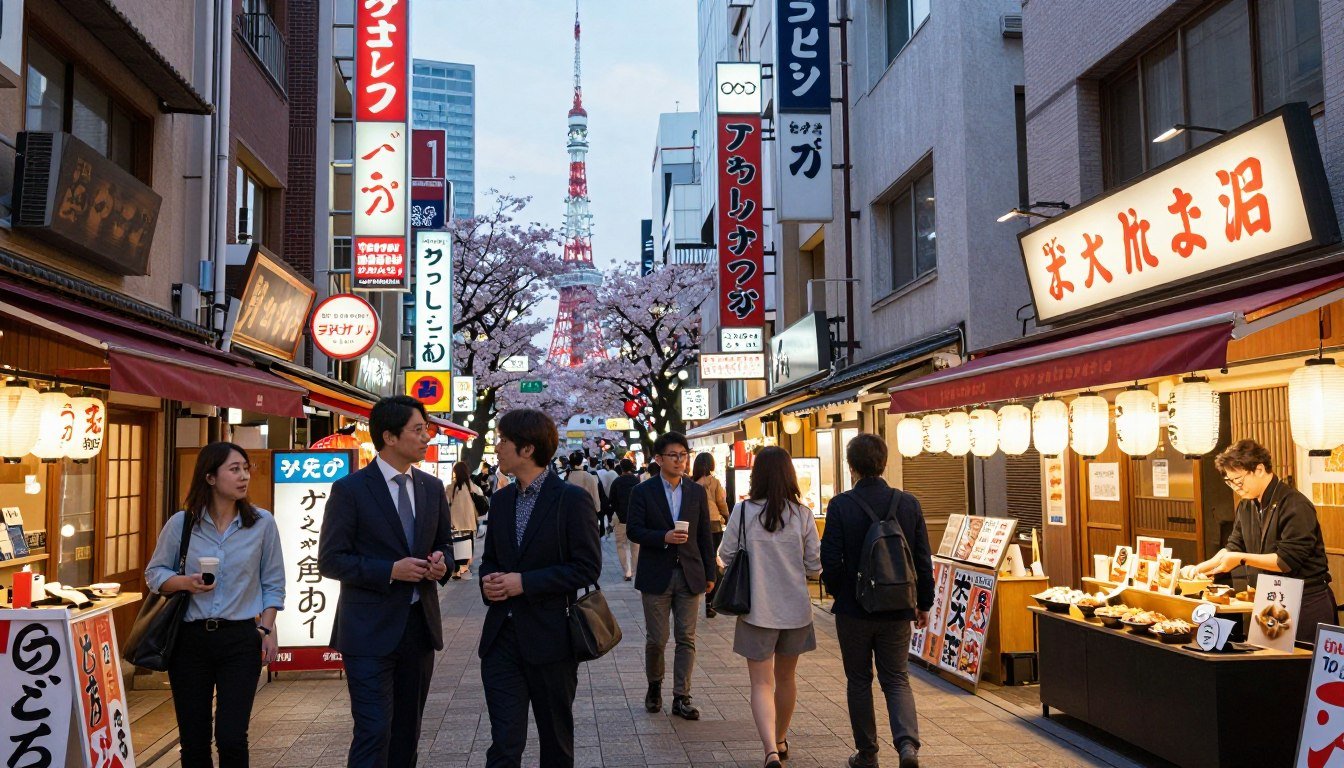
What if one of the world’s most famous destinations for culture and innovation is now more affordable than you ever imagined? Japan’s reputation for being prohibitively expensive is a relic of the past. A significant shift has occurred, reshaping the financial reality for residents and newcomers alike.
The value of the Japanese yen has played a major role in this change. This makes the country an increasingly attractive option for expatriates, students, and remote workers. Your personal budget here is deeply tied to your choices.
Location is a primary factor. Tokyo offers a dynamic metropolitan experience at a fraction of the price of New York City. Meanwhile, regional hubs like Fukuoka provide even greater affordability while maintaining a high quality of life.
This guide will explore the various expenses you can expect. We break down everything from housing and food to transportation and entertainment across different cities. With careful planning, achieving a comfortable lifestyle in this fascinating country is an attainable goal.
Key Takeaways
- Japan’s overall affordability has increased significantly in recent years.
- Your personal spending is heavily influenced by your chosen city and lifestyle preferences.
- Major metropolitan areas like Tokyo are now far less expensive than many major U.S. cities.
- Smaller cities offer substantial savings while still providing excellent amenities and cultural experiences.
- Understanding regional differences is key to effective financial planning for a move.
- A detailed breakdown of common expenses will be provided in the following sections.
Overview of Japan’s Living Expenses
Japan’s urban centers present a remarkable spectrum of financial realities, from globally-ranked expensive capitals to surprisingly affordable regional hubs. Your choice of location is the primary factor determining your monthly budget.
Tokyo, the nation’s capital, ranks as the ninth most expensive city in the world. It offers unparalleled amenities but comes with a premium. Other major metropolitan areas like Osaka and Yokohama provide significant savings, with rents in Yokohama being over 14% lower than in Tokyo.
For those seeking greater affordability, several places offer an excellent quality of life. Kyoto, the cultural capital, boasts costs far lower than major American cities. Fukuoka, a vibrant coastal economic center, demonstrates expenses that are considerably more manageable.
Each of these areas possesses a unique cultural identity and specialty foods. Smaller city centers provide a calmer pace while still offering modern comforts. This variety ensures comfortable living is achievable across the country.
Housing and Utility Costs
The housing market offers diverse options that cater to different preferences and financial situations throughout the country. Your monthly expenses will depend heavily on your chosen accommodation.
Apartment Options: Manshon vs. Apāto
Japan features two main apartment types. Manshon are modern concrete buildings with slightly larger spaces. Apāto are typically older wooden structures with compact layouts.
Understanding size classifications helps with budgeting. The most affordable 1K units have one room with a kitchen. 1DK adds a dining area, while 1LDK includes living space.
Average Rent and Utility Rates in Major Cities
Monthly rent varies significantly by location. Tokyo city center apartments range from 945-1,155 USD for one-bedroom units. Outside central areas, prices drop to 531-649 USD.
Utility costs average 140-171 USD monthly for basic services. Internet service runs 32-39 USD per month. Mobile plans cost 15-40 USD with local banking.
Regional cities like Kyoto and Sapporo offer substantial savings. Their rental prices are often half of Tokyo’s rates.
Food, Groceries, and Dining Out in Japan
Japan’s culinary scene offers remarkable value, with diverse dining options available at every price point. Whether you prefer cooking at home or eating out, your food budget can be surprisingly manageable.
For everyday meals, convenience stores provide excellent options. You can find bento boxes with rice, protein, and vegetables for affordable lunches. Onigiri (rice balls) typically cost 130-250 yen.
Everyday Meal Costs and Grocery Prices
Grocery shopping reveals competitive prices. A gallon of milk runs 4.50-5.50 USD, while a dozen eggs costs 1.62-1.98 USD. Local vegetable shops called yaoya offer fresh produce at lower prices.
Monthly grocery expenses vary by city. Tokyo residents might spend 48,000 yen, while Fukuoka costs average 38,000 yen. This regional difference affects your overall food budget.
Comparing Affordable Eateries and Upscale Dining
Affordable restaurants abound throughout the country. Ramen bowls cost 900-1,400 yen, and kaiten sushi plates range from 120-550 yen. Chain restaurants like Yoshinoya offer filling meals for 400-900 yen.
For special occasions, a nice dinner for two averages 32-39 USD. Izakaya pubs provide social dining with drinks for 2,500-4,500 yen per person. The variety ensures you can enjoy Japanese cuisine at any budget level.
Transportation and Connectivity Costs
Japan’s transportation infrastructure stands as one of the world’s most advanced networks, offering seamless connectivity across the archipelago. The system combines efficiency with affordability.
Public Transportation and IC Card Systems
Integrated Circuit (IC) cards simplify daily travel. Suica and Pasmo cards work across different systems and cities.
These rechargeable cards provide access to trains, buses, and retail purchases. Monthly expenses range from 4,000 to 6,500 yen depending on your city.
Fares start at approximately 1.26 USD based on distance traveled. Commuter passes offer significant savings for regular routes.
Bullet Trains, Bicycles, and Other Transit Options
For longer distances, bullet trains connect major urban centers efficiently. A Tokyo to Kyoto journey costs 120-160 USD one-way.
Budget airlines like Skymark provide competitive domestic flight options. Bicycles serve as excellent local transportation with dedicated parking at all stations.
Gas prices remain comparable to the United States. This makes personal vehicle ownership viable in areas with limited public transit access.
Examining cost of living in japan
The weakening yen has transformed Japan into an unexpectedly affordable destination. Your personal budget here depends heavily on lifestyle preferences and geographic location choices.
Tokyo ranks as the world’s ninth most expensive city yet offers expenses 53% lower than New York City. This makes the capital surprisingly accessible for a major metropolitan center.
Regional hubs provide even greater value. Fukuoka demonstrates living costs 41% lower than American cities like Dallas. Osaka and Kyoto show reductions exceeding 60% compared to New York.
Areas outside Tokyo typically offer 20-40% lower monthly expenses. These locations maintain excellent infrastructure and cultural attractions.
Student visa applicants must show approximately 1 million yen annually. This represents a minimum baseline for tuition and basic needs.
Recent inflation has increased rent and grocery prices nationwide. Careful financial planning remains essential for a comfortable lifestyle.
Education, Childcare, and Healthcare Expenses
Families and students planning a move to Japan will find the education and healthcare systems offer both quality and accessibility. These essential services require careful financial planning.
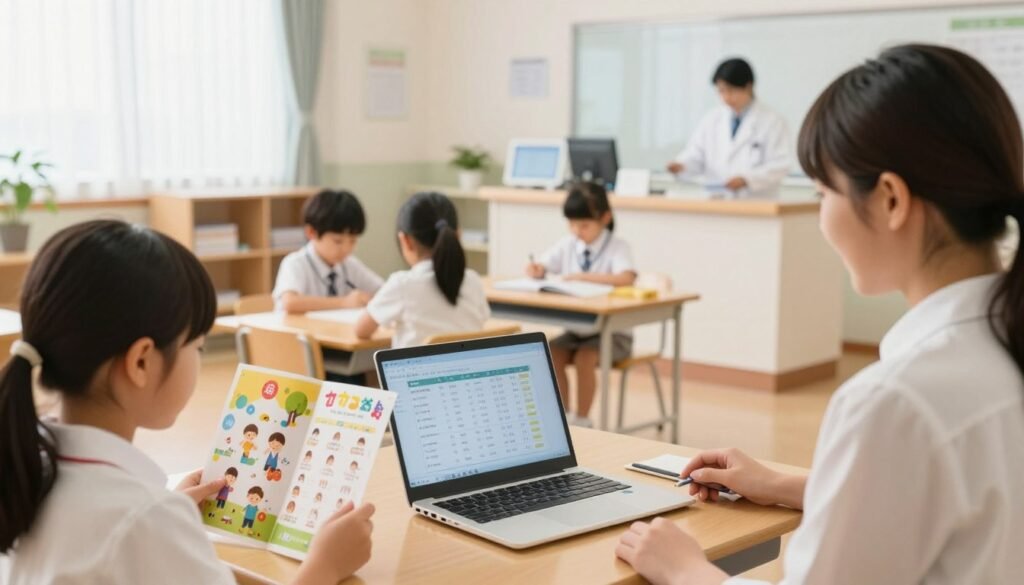
Childcare, Schooling, and Language Schools
Private daycare for young children averages 315-385 USD per month. Public elementary and middle schools provide free education in Japanese.
International schools with English instruction cost approximately 10,440-12,760 USD per year. Language programs offer comprehensive packages including visa fees.
Twelve-month language school costs vary by location. Tokyo programs average 885,000 yen while Kofu offers more affordable options at 760,000 yen.
Students can work part-time up to 28 hours weekly. Minimum wages range from 1,000-1,250 yen hourly depending on the region.
Healthcare Costs and Insurance Options for Expats
Japan’s healthcare system splits between employer-based and national coverage. Residents staying over three months must enroll in one system.
International medical insurance is recommended before joining local plans. This ensures continuous access to medical services throughout your stay.
Understanding these expenses helps create a realistic budget. Proper planning ensures smooth transitions for families and students alike.
Comparing Living Costs: Japan vs. the United States
When comparing expenses between Japan and the United States, several surprising patterns emerge that challenge common assumptions about affordability. Your monthly budget allocation differs significantly across these two developed nations.
Housing and Utilities: Direct Comparisons
Rental accommodation shows the most dramatic difference. A three-bedroom apartment averages 974 USD monthly in Japan versus nearly 3,000 USD in America.
Overall house prices are generally lower, with new homes costing around 247,203 USD compared to 428,700 USD in the US. Utility expenses are largely similar between both countries.
Electricity, gas, and water total approximately 112-113 USD monthly. Internet connectivity costs 52% less in Japanese cities while providing faster speeds.
Food, Entertainment, and Transportation Differences
Americans pay 36.1% more for groceries than Japanese consumers. Dining out offers exceptional value, with restaurant dinners costing 37.4 USD versus significantly higher US prices.
Personal services like haircuts are considerably cheaper, ranging from 8-34 USD compared to the 56 USD American average. Transportation costs are roughly equivalent for basic fares.
Some entertainment options may be slightly cheaper in the US. However, Japan’s lower internet costs make home-based activities more affordable overall.
Conclusion
The journey to establishing a life in Japan demonstrates how strategic planning unlocks exceptional value. Tokyo, the world-class capital, offers rent prices 72% lower than New York while providing comparable urban amenities.
Whether you prefer quiet suburban areas or busy port cities, this country delivers excellent quality across diverse locations. Multilingual resources ease the transition for international residents throughout the year.
Affordable eateries, efficient transportation, and reasonable housing create an environment where various lifestyle preferences find comfortable accommodation. With careful choices, you can enjoy this remarkable country without financial stress.
Japan represents wonderful value compared to many developed countries. It offers stunning natural features, historical sights, and cutting-edge technology for work or study abroad experiences.
FAQ
What is the biggest monthly expense for residents in Japan?
For most people, rent is the largest recurring expense. Prices vary dramatically by city and neighborhood. A central apartment in Tokyo will be far more expensive than a similar-sized home in a regional city like Fukuoka.
How much should I budget for groceries each month?
A single person can expect to spend around 40,000 to 60,000 yen monthly on food from supermarkets. Shopping at local markets and buying seasonal produce can help reduce your grocery bill significantly.
Is public transportation affordable and reliable?
Yes, Japan’s public transit system is world-class. Using an IC card like Suica or Pasmo makes travel convenient. Monthly commuter passes offer discounts, making daily travel a manageable expense for work or school.
Are there significant price differences between major cities like Tokyo and Osaka?
Absolutely. While both are major metropolitan areas, Osaka generally has lower rental prices compared to the capital. Daily expenses, such as dining out, can also be more affordable in Osaka than in Tokyo.
What are typical utility costs for an average apartment?
For a one-bedroom apartment, you can expect combined bills for electricity, gas, and water to range from 10,000 to 20,000 yen per month. Costs are higher in winter due to heating needs.
How does the price of eating out compare to cooking at home?
Eating out can be very reasonable, especially at lunch. A bowl of ramen or a set meal at a casual restaurant might cost 800-1,200 yen. Cooking at home is usually cheaper, but affordable eateries provide great value.
What should expats know about healthcare costs?
Japan has a national health insurance system that covers 70% of most medical costs. Expats are required to enroll, which keeps out-of-pocket expenses for doctor visits and prescriptions relatively low.